

Insight
Alex Didlick (Project Coordinator) discusses innovation, AI and what MAD//Fest 2026 had to offer. Discover his key highlights as an early career events and experiences professional.
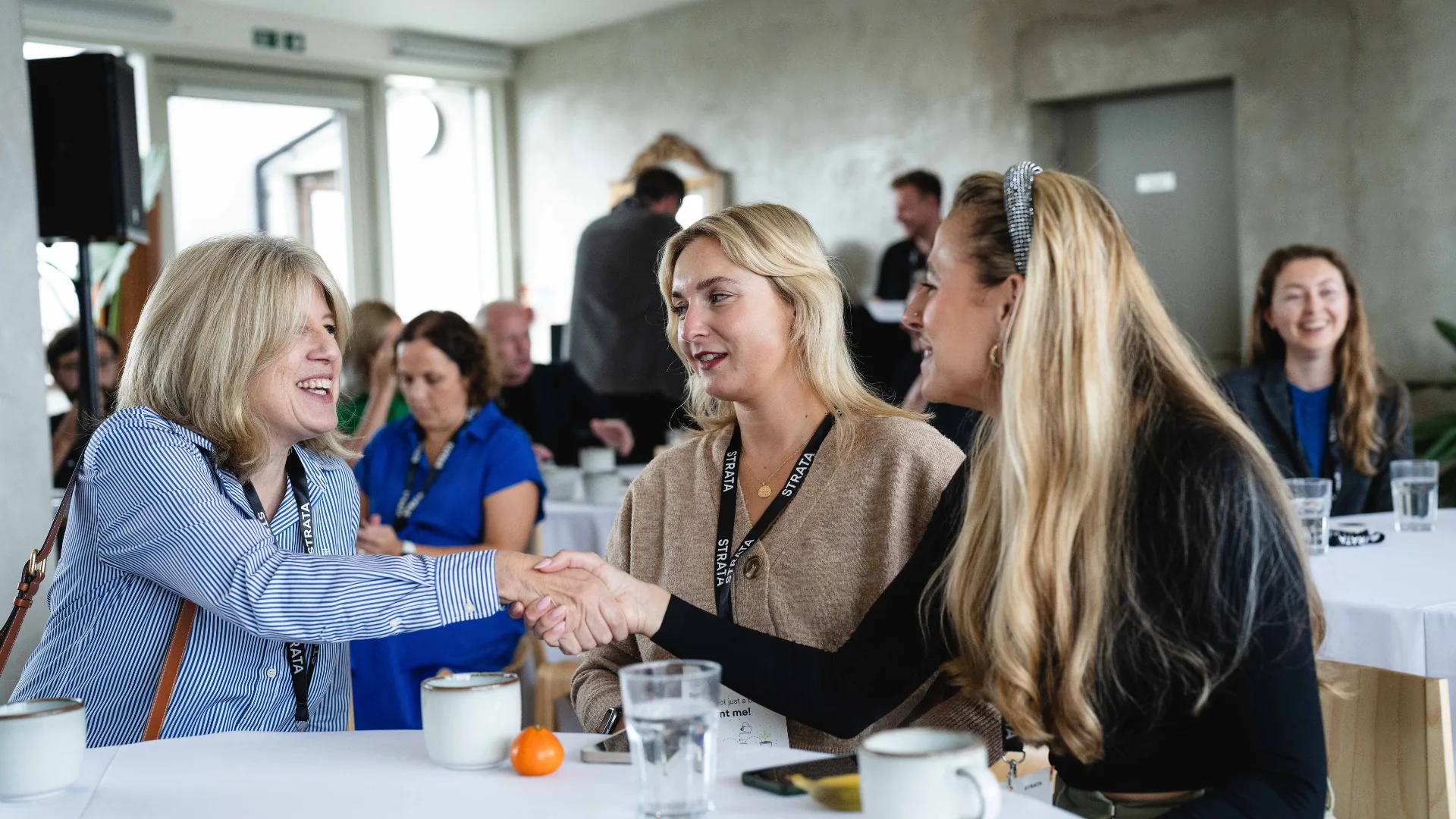
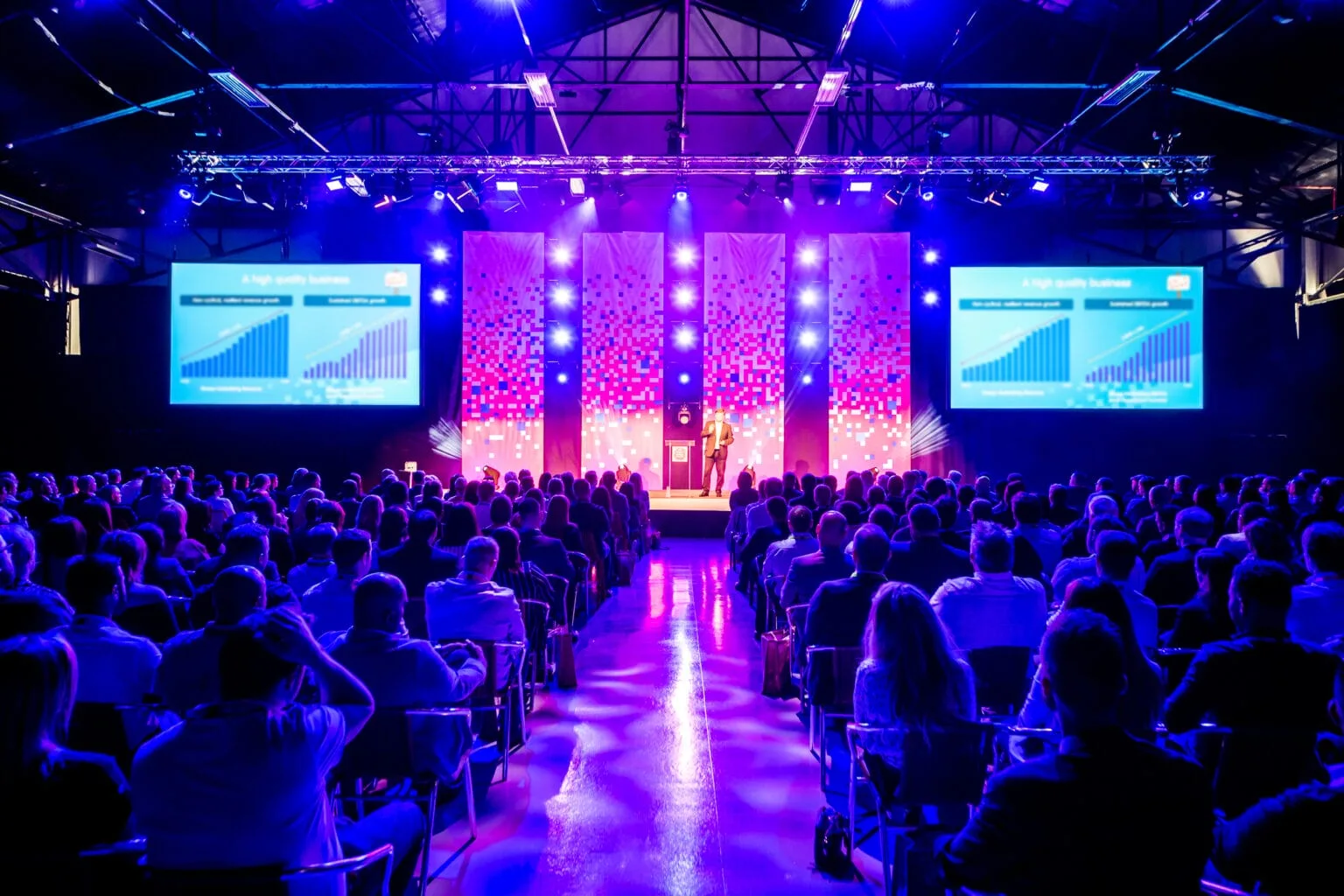
On a sweltering July day, it felt as though the marketing and advertising world had temporarily relocated to a small corner of North London. The reward for braving a packed underground, was an eclectic mix of speakers and fireside chats from industry leaders, helping to develop my understanding of the ever-evolving world of marketing, and creative brand experiences. What followed was a day full of fresh perspectives, thought-provoking conversations, and four ideas that have stayed with me ever since.
Designing for the path of desire
One of the strongest messages I took away was from a chat between David Shulman (Global CEO Havas), Ben Richards (Global Head of Experience, Lego Group) and Claire MacArthur (Landscape Designer Studio MacArthur). Their discussion explored the ‘path of desire’. Rather than dictating customer behaviour, the most effective brand experiences remove friction, and support how people naturally think, feel and act.
It sounds simple, but instead of forcing audiences to adapt to a campaign, brands should remove guardrails and make engagement feel more intuitive. Reading Strata’s own perspective afterwards reinforced this point ‘attention isn’t about volume, it’s about receptivity.’ Reflecting how naturally coexisting in people’s lives is often where the most success can be found.
For those working in brand experience, these principles are powerful in my view. In a world where audiences are exposed to countless messages every day, the best campaigns won’t force participation. They create authentic environments where engagement feels natural and rewarding. This idea aligns closely with a point made by Giles Cattle (Chief Growth Officer, Strata), who spoke in an article about his belief that the most impactful experiences aren’t just attended they’re shared. It’s those shared moments that create meaningful memories and emotional connections that endure long after an event.
The rise of creator-led marketing
Another recurring theme throughout my day was the importance and development of the creator marketing space. Youtube’s Izzy Ngo, detailed how creator advertising expenditure is growing four times faster than traditional advertising, underlining how important the industry is becoming. Ben Carter (CMO, CarWow), reinforced this message later in the day as he asserted, creator marketing was his number one development in the industry for 2026 and beyond.
It’s also been proven that creators are building long-term relationships with audiences, Ngo noted how 80% of viewers return to the same creator again. For brands, this is perhaps the most important facet creators can bring. By building campaigns around a community, a creator has already established, we can create an experience that feels more authentic, relevant and meaningful to that audience. David Powell (Commercial Director, Wonderland, part of the Strata Group) touched on this in a recent article. He notes the revolutionary impact truly understanding an audience and their interests can have on the success of a campaign.
A word on AI
It wouldn’t be 2026 without plenty of intrigue about the world of AI, specifically its applications in our industry. It was fascinating to hear how different organisations are choosing to implement it.
One example from Ben Carter (CMO, CarWow), described how they have adopted an ‘AI-first’ approach. Rather than replacing people, they focus on identifying repetitive, time-consuming tasks that can be completed more efficiently by AI, freeing up time to be spent on more creative and strategic thinking tasks. Interestingly, they have also begun an AI show-and-tell session once a month for all employees, allowing teams to share practical ways they’re using new tools. This I felt was very valuable, as it shifts the narrative from being intimidated by this new software into a collaborative, team building asset.
Another session however, was much more cautious of AI and its practical uses. Research by Havas’ AI operations department, undertook a consumer poll that indicated 50% of consumers felt the use of AI by brands feels cold, and further 56% also noting it felt misleading when used. This raises important questions regarding trust and authenticity.
The overall takeaway wasn’t that brands should avoid AI altogether (obviously!). Rather, it should be used in instances where it adds genuine value, from broad research tasks to improving efficiency. This will ensure the human element remains central and even elevates our ability to create lasting and important experiences.
The power of behavioural science
Behavioural scientist author, Richard Shotten, captivated a packed audience with his application of psychology within marketing, drawing upon insights to illustrate how it can impact engagement.
One example demonstrated how introducing a simple ritual before eating a chocolate bar- asking recipients to look at it and break it apart etc- reported an increase in enjoyment of 16%. Whilst, most brands don’t sell delicious chocolate bars, the learnings can be taken elsewhere. Creating tension, storylines and intrigue can boost an experience for stakeholders, journalists and customers.
Shotten also explored how acknowledging a genuine flaw can make brands more appealing. A restaurant review that acknowledges a shortcoming within an on the whole positive review, counter intuitively is much more likely to be listened to and received by others. He also incorporated Guinness’ famous ‘good things come to those who wait,’ campaign as an example of transforming a potential weakness into a successful campaign.
It was a lesson that successful experiences aren’t only built through creativity and their substance. By picking up on subtle behavioural quirks and tendencies, we can create campaigns that leave a lasting impression. This is something Strata are truly leaning into with their exciting new partnership with Lea Karam Founder of Mindscope through The Experience Labs which looks at how brands can truly lean into the behaviours of their audiences to maximise their experience and ultimately their connection to the brand.
Final takeaways
Reflecting on my first MAD//Fest, the biggest takeaway wasn’t a single statistic or campaign. Rather it was how every conversation, regardless of topic, ultimately centred on people.
Innovation will undoubtedly continue to reshape marketing, but the brands that will find the most success will be those that combine new technologies with a genuine understanding of human behaviours.
Continuing my journey with Strata, that’s the lesson that will stick with me, regardless of the experience or campaign, it’s about reminded oneself that people are always at the heart of everything we are trying to achieve.
Alex Didlick is a Project Coordinator at Strata, working closely with the marketing team and supporting in content development for events and experience clients. He has a background in journalism and is passionate about supporting other early career marketing professionals.

Explore Our Blog

Proud to deliver lasting moments for...










































Let’s have
a chat!
Every brand touchpoint is a moment that matters. A chance to strengthen your message with clarity and relevance. To make your audience feel like they're part of something extraordinary, get in touch.