

Insight
As part of A Season of Strategy, Giles Cattle (Chief Growth Officer at Strata) and Lea Karam (Founder and CEO at Mindscope) discuss what makes experiences memorable, and why that recall is so valuable to brands.
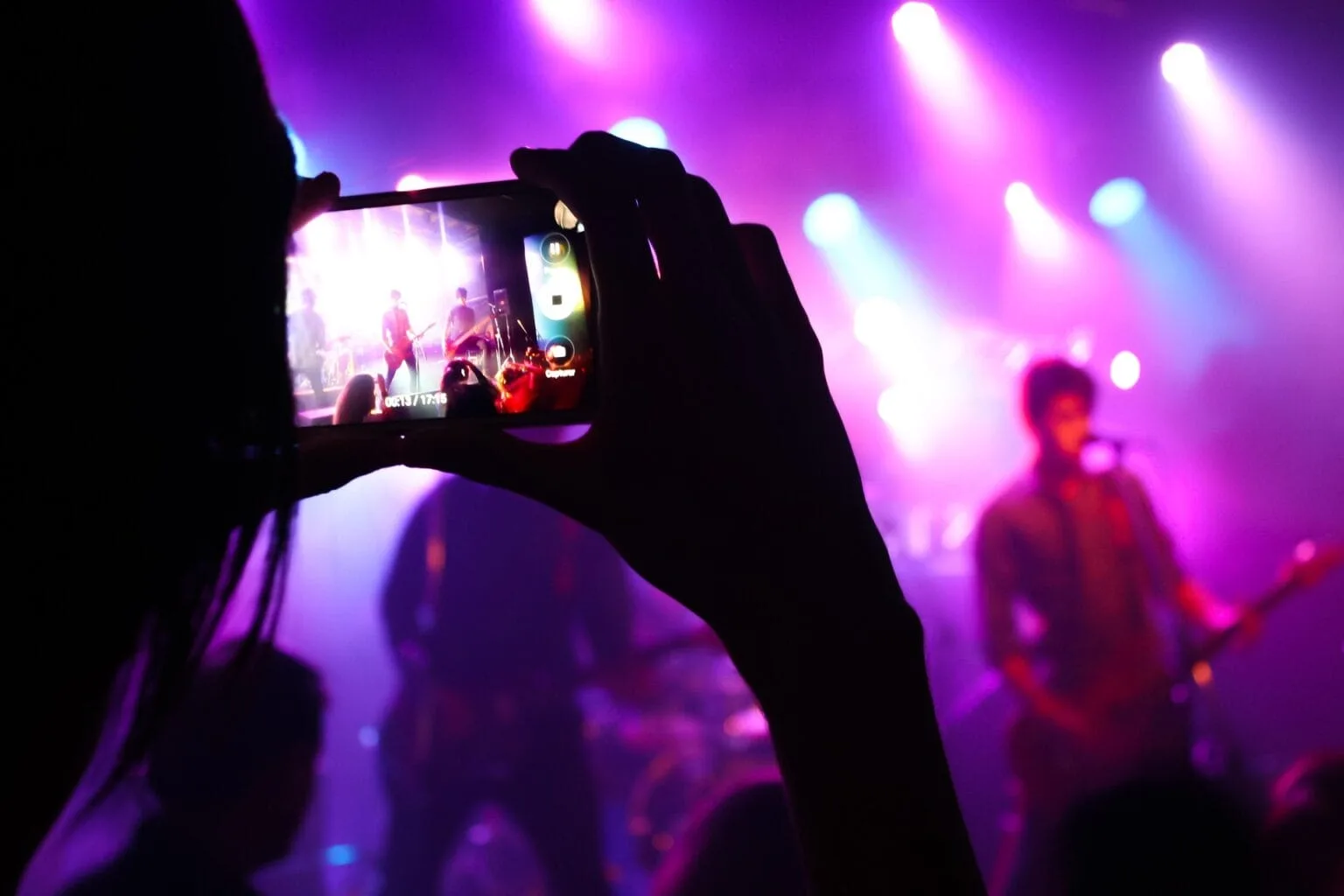
Live moments act as modern rituals. They bring people into a shared emotional context, creating a level of connection that fragmented digital channels struggle to replicate. At their best, live experiences don’t just capture attention; they stay with people. They impact how we think, what we recall, and what we carry forward. Now more than ever a strategic shift is necessary: away from attention, towards memory.
Shared emotional peaks
Live events create emotional peaks; moments that stand out because of their intensity. What makes these moments valuable to brands isn’t just how they are felt, it’s how they are shared, both in the moment and afterwards.
“Too many experiences are designed for the moment and forgotten soon after,” says Giles Cattle, Chief Growth Officer at Strata. “If a moment isn’t remembered, it hasn’t delivered its full value. The focus now needs to shift from capturing attention to creating something that lasts.”
Memory is stronger when it’s social
Memory is not formed in isolation: it’s reinforced through social interaction. What we talk about afterwards, what we revisit, what we debate; these are the mechanisms that strengthen recall. They also shape perception and meaning over time.
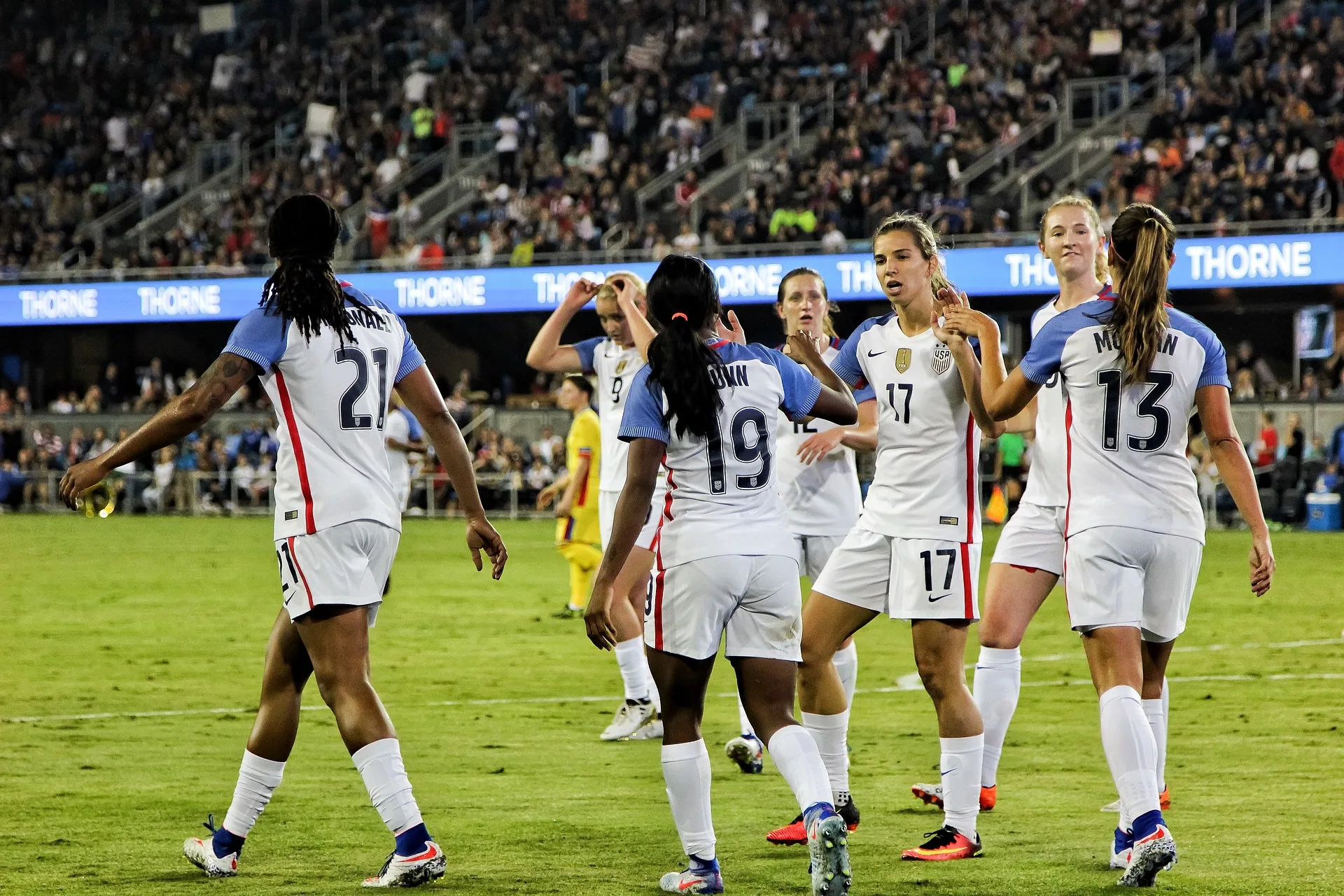
Equally important is how ideas spread. People are more prone to adopt behaviours through imitation than instruction; no one is taught the latest slang, yet it is gradually folded into our collective lexicon through imitation. Live environments accelerate this because behaviour is visible, shared and repeatable in real time. When you don’t know a football chant in the stands, you listen, learn, and imitate. And at the next game, you remember.
“When people recall a powerful experience, they can recreate the emotional state of being there,” says Lea Karam, Founder and CEO at Mindscope. This principle underpins the collaboration between Mindscope and Strata exploring how live moments can be designed to be not just impactful in the moment, but remembered long after.
“Experiences that are social, time-bound and emotionally intense are far more likely to stay with us and we need to be designing experiences for that,” explains Karam. Live sporting events include all three: whether in the stands or watching at home, people remember for a lifetime the moment their team was victorious.
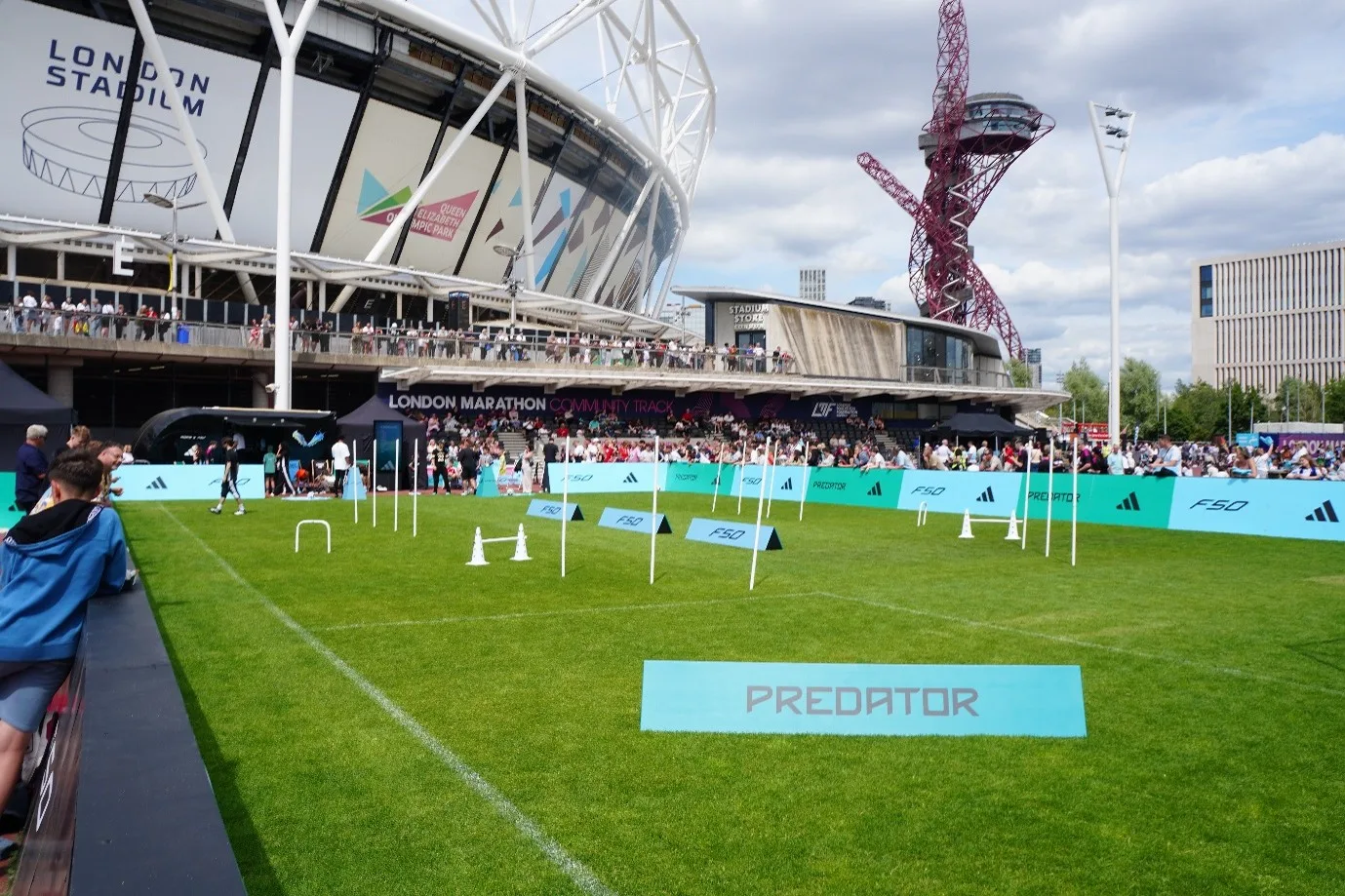
The intense emotion around experiences like the World Cup is felt before, during and after. Brands see excellent results from campaigns that strategically add to the maelstrom of feelings, from referencing childhood memories to deliberately building on – and aligning with – the sense of excitement. This year, Adidas’ ‘Backyard Legends’ campaign was focused on street football and 90s nostalgia, with de-aged versions of icons like David Beckham, capturing social memory by referencing the beloved football of childhood rather than just sleek corporate inspiration.1
Making identity tangible
Live experiences also have the power to make abstract identities feel real. Whether it’s national identity, brand affiliation or belonging to a cause, these ideas only become meaningful when they are experienced. Events turn them into something tangible, through atmosphere, shared language and collective participation.
In doing so, they allow people to see themselves as part of something larger; not just as individuals but as members of a group with a shared understanding. Identities that exist in the abstract – being English, being a music-lover, supporting women’s sports – are suddenly tangible and real during the peak moments of events. The audience in the stands of the football arena, in the crowd at Glastonbury, watching the finals of the women’s singles at Wimbledon… they are all part of a community that is experiencing something simultaneously, and that feeling will be remembered.
The recent turnout of around 1million people – double predicted numbers – at the parade celebrating Arsenal’s first Premier League win since 2004 shows how many people consider themselves aligned not just with the sport, but specifically with Arsenal as a club, as a community and as a brand.2
The value happens after the event
The impact of live experience extends well beyond the moment itself. Highlights are replayed. Conversations continue. Opinions form and evolve. Teams reference moments internally. Audiences share and reinterpret what they experienced.
This after-effect is not incidental; it’s where value compounds. Experiences that are talked about, retold and revisited become embedded in memory and culture. That unbelievable goal, that ‘you had to be there’ moment at a gig – these are the experiences people are keen to discuss and bond over and therefore are far more likely to remember. Conversations can happen in-person or online; user-generated content like memes, reviews and online discussion is an incredibly powerful tool for raising campaign visibility and ensuring it makes a real impact.
“Memory is not individual, it is social,” Karam adds. “The things we talk about and revisit together are the things that endure. The real impact of an experience often happens after the audience has left.”
Big brands are rightly focused on user generated content and the power of memes; when the moment is replayed over and over, shared and recalled, it is remembered with clarity.
A unifying force in a fragmented world
In a fragmented, on-demand landscape, live experiences offer something increasingly rare: unity. They create shared reference points. They align audiences quickly. And they give brands a way to make strategy tangible, particularly at high-stakes moments such as launches or repositioning.
“Experiential has a strategic role to play when the stakes are high,” Cattle says. “It’s not just about communication. It’s about creating shared understanding and building trust quickly.”
As digital channels become more crowded, the brands that stand out will be those that move beyond short-term engagement and focus on what people remember… and what they share.
“Content is everywhere,” Cattle concludes. “Experiences that are memorable are rarer, and therefore more powerful. The opportunity is in creating something people carry forward, together.”
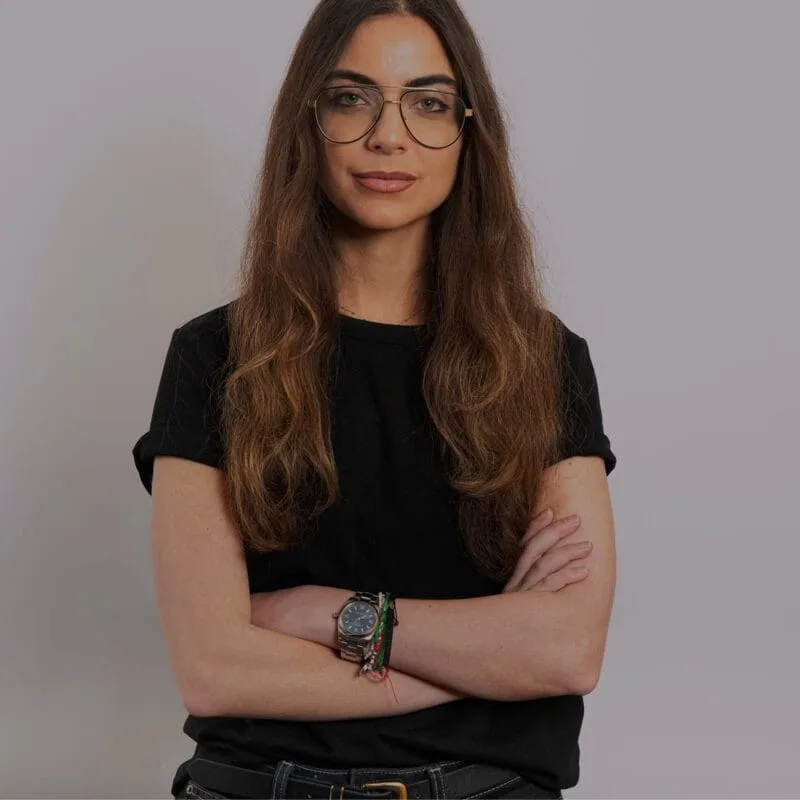
Lea Karam is the multi-award-winning behavioural scientist the world’s biggest brands and platforms call to solve challenges amidst changing cultural and technological landscapes. Through founding Mindscope, she built the behavioural science labs behind their biggest bets. Lea is one of the industry’s most-booked keynote voices, ranging from bespoke brand and corporate events to all the major industry stages, including Cannes Lions, SXSW, MIPCOM, the Royal Television Society and MAD//Fest.
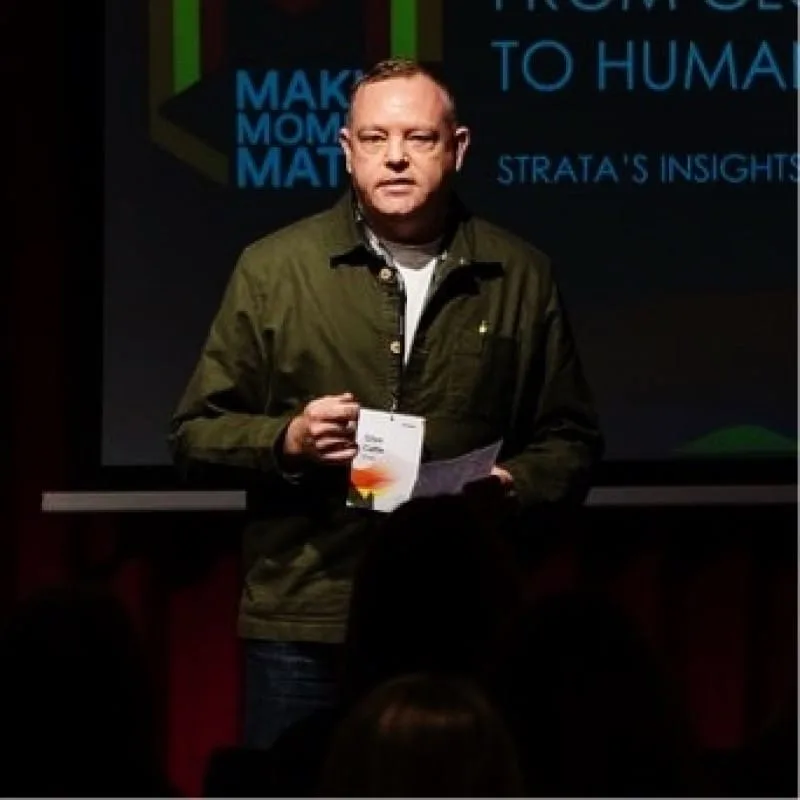
Giles Cattle is Chief Growth Officer at Strata. A Creative Strategist, he uses insights to fuel the creative design of experiences and communications to engage, inspire and persuade audiences.
He brings brands and people closer together, and using every channel, internal or external, to achieve that.
He has extensive experience working with global clients spanning multiple sectors, targeting multiple audiences through multiple channels.
References:
Explore Our Blog
Proud to deliver lasting moments for...










































Let’s have
a chat!
Every brand touchpoint is a moment that matters. A chance to strengthen your message with clarity and relevance. To make your audience feel like they're part of something extraordinary, get in touch.