

Insight
Summer 2026 proved once again that global attention centres around shared, high-profile moments. But as the dust settles, it’s clear which brands were truly ready. It’s no longer enough to simply target audiences; the real winners were the brands that showed up with intent in the moments that mattered most.
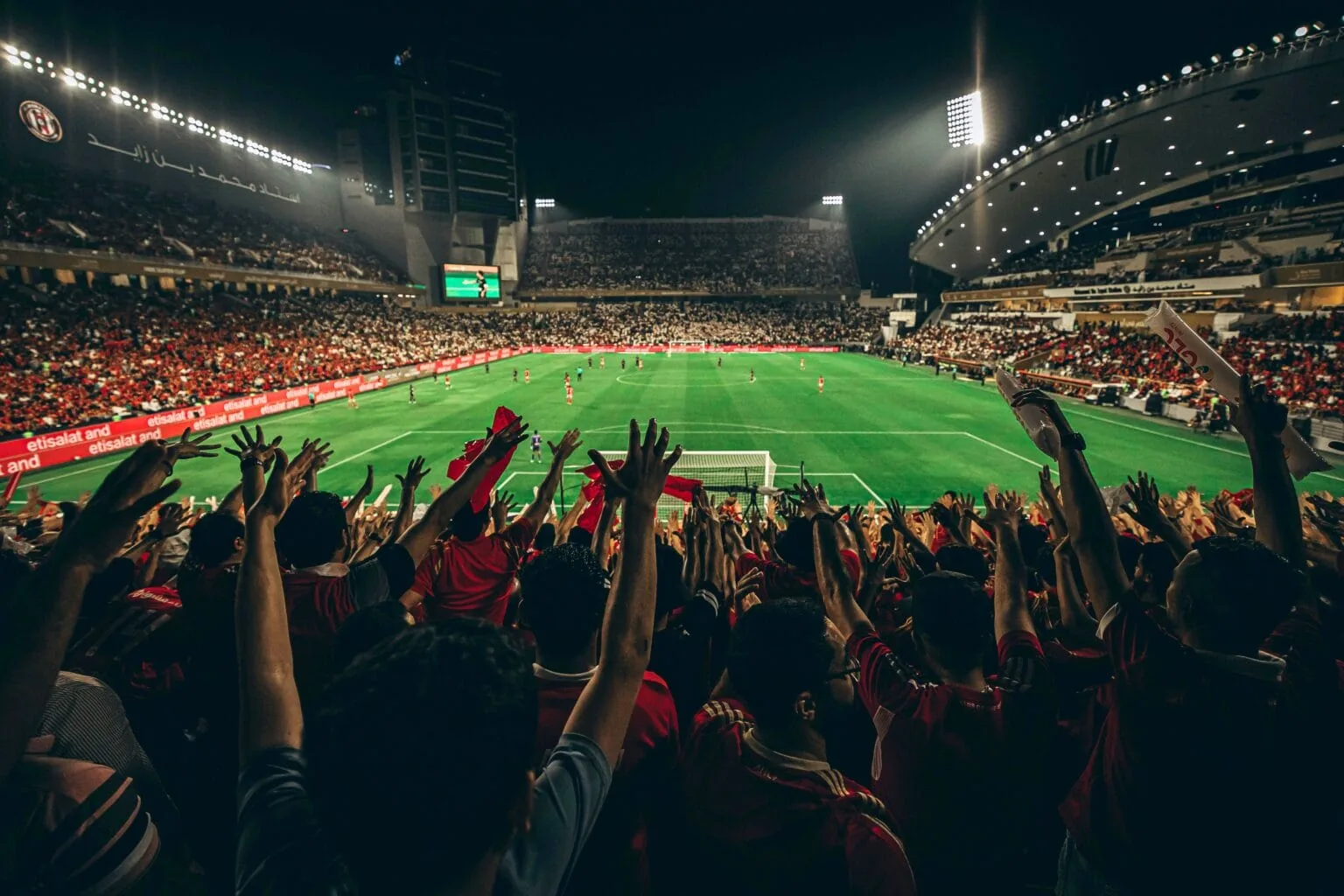
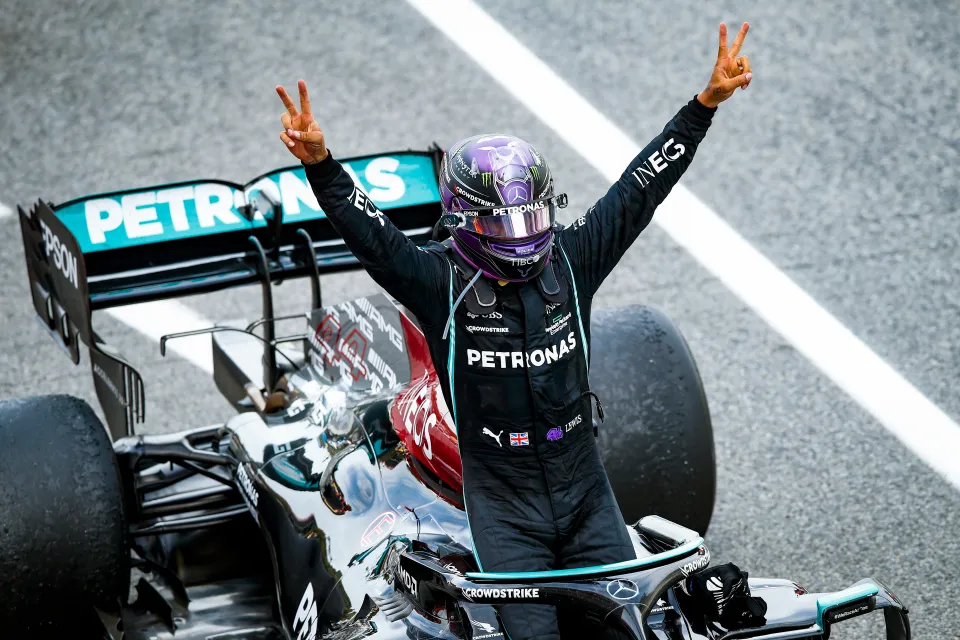
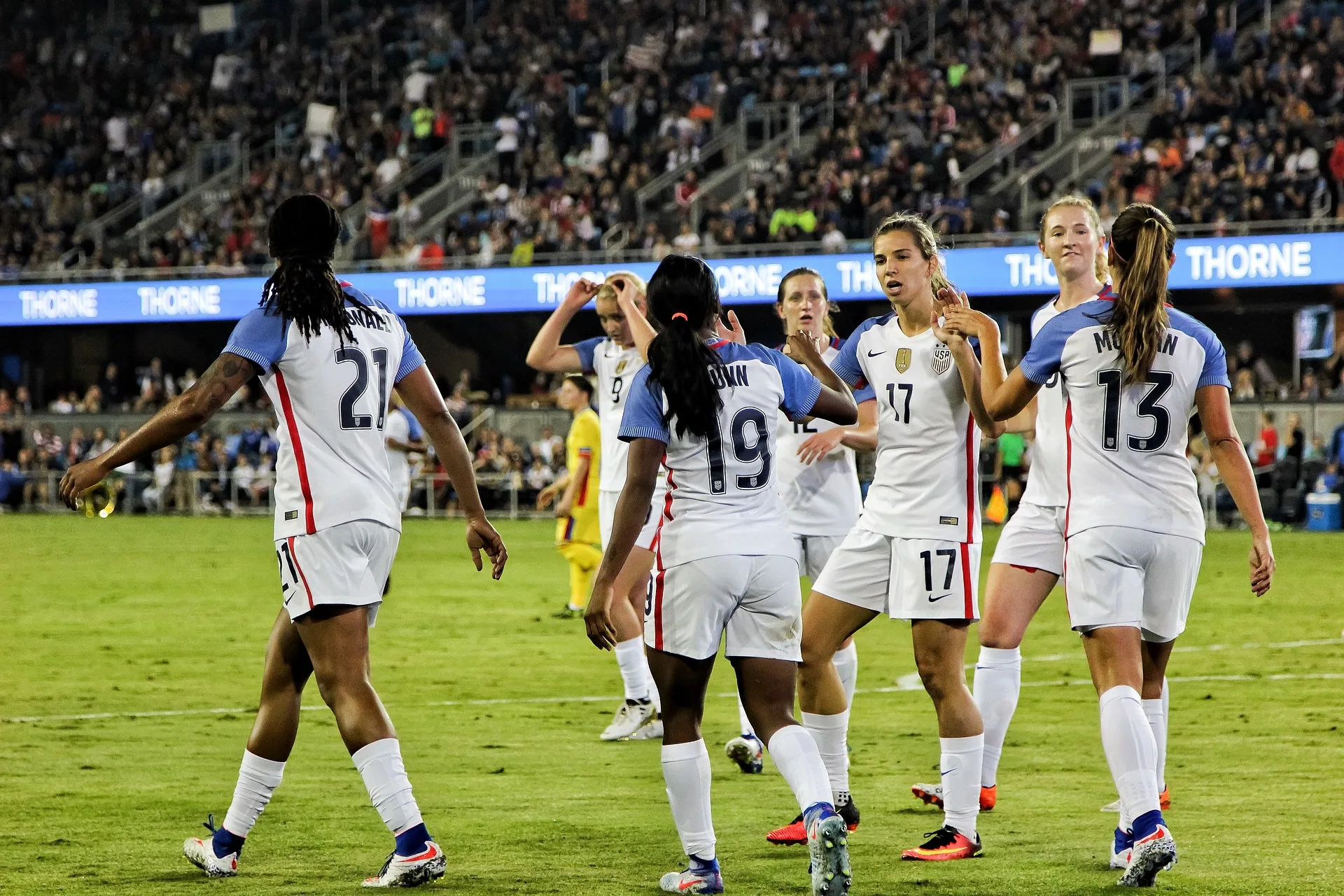
Over the past few months, live sporting events: the FIFA World Cup, Wimbledon, the Grand Prix, sat alongside major festivals and cultural moments to create something massive: millions of people watching, reacting in real time, and feeling part of something collective.
Yet many brands still approached these moments the way they always have: chasing reach, impressions, and visibility. That’s where traditional planning fell short. Because an event like the World Cup isn’t just a media moment; it’s a behavioural one.
We Are Collider’s CEO, Anton Jerges, explains: “Demographic data and reach metrics only tell a fraction of the story, because a die-hard fan’s connection is driven by emotional resonance and social identity. From a behavioural perspective, fans aren’t evaluating a rational value exchange; they’re craving a peak experience, the heart-pounding emotional rollercoaster and the deep tribal sociality of collective belonging.”
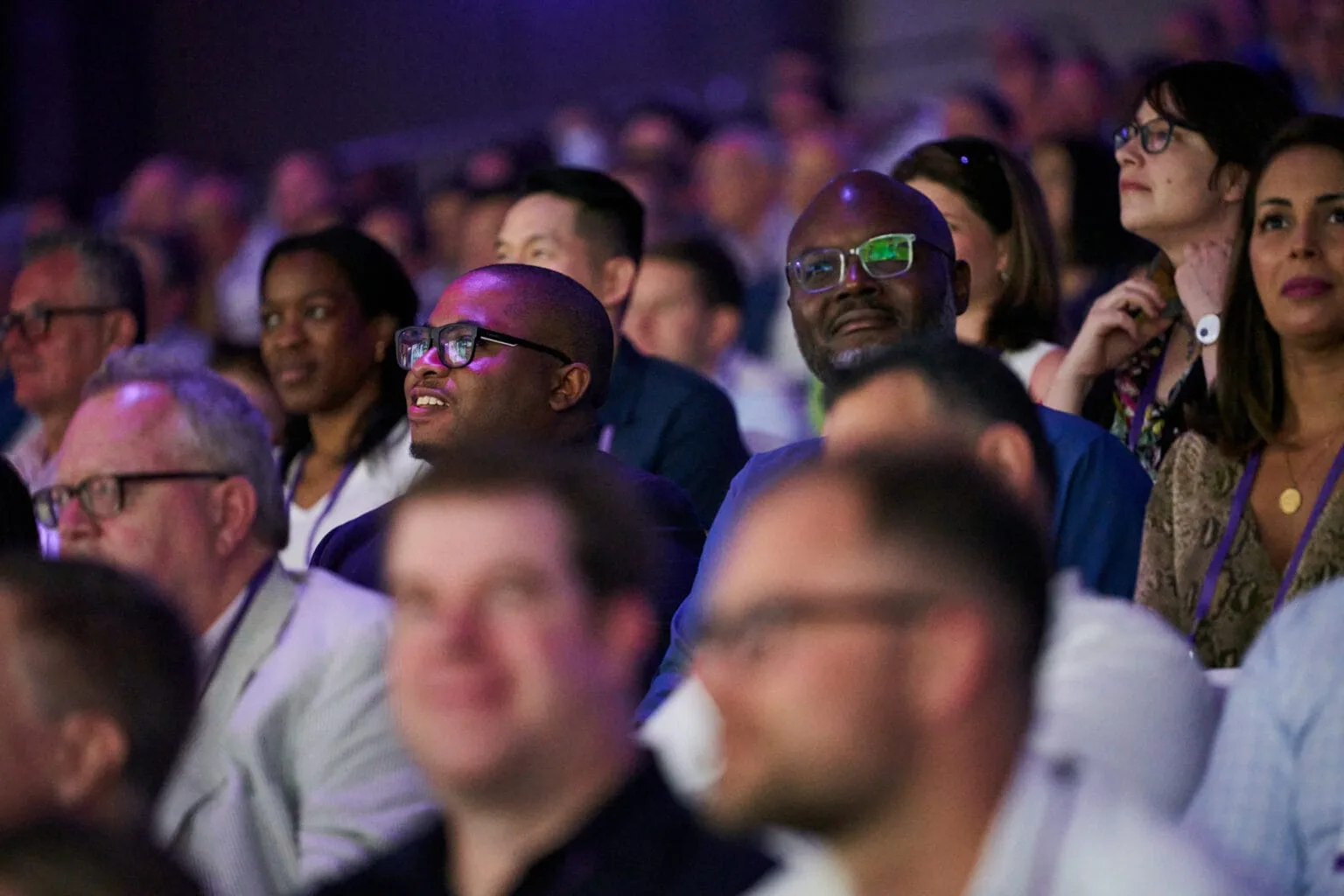
What makes these kinds of events unique is that they aren’t just for hardcore fans; they draw in people turning up purely for the occasion or watching from the digital sidelines. This opens the door for brands to reach new audiences, not through cold targeting, but by immersing themselves in something people genuinely cared about. The shared build-up, the atmosphere, and the simple pull of wanting to be part of something bigger created the real opportunity.
THE VALUE OF EXPERIENCE DOESN’T LIE IN REACH ALONE
Live experiences create moments where behavior shifts at scale. Emotion increases cognitive encoding, making messages far more memorable, while shared moments reinforce meaning through social connections; from friends in the pub to online communities.
That’s what made this summer’s lineup of the World Cup or the upcoming Reading Festival such powerful engagement opportunities. Urgency, anticipation, and unpredictability were built into the fabric of these events. While some brands relied solely on surface metrics like impressions, others created something far more enduring.
Jerges continues: “When you add in casual viewers, most of whom tune in once every four years, the primary drivers shift to powerful social proof and emotional contagion.
“It becomes a shared peak experience: the unmitigated joy of country-wide synchrony, cracking open a drink and screaming in unison at the screen. It reminds us that we can all believe in the same thing for a moment, despite our differences.
For brands this isn’t something you can capture on a spreadsheet or ask AI to replicate. We intuitively feel it, but engineering that raw emotion into sustained cognitive encoding and strategic resonance? That’s where the real behavioural design lies.”
THE STRATEGIC LESSON FOR BRANDS
Mass-reach events represent a rare environment where behaviour, emotion, and attention align at scale. But capitalising on that alignment requires a deliberate strategy before, during, and after the event.
In order to stand-out brands should master three distinct phases:
- The Build-Up: Winning brands didn’t just show up on the day. They built anticipation early through content, social storytelling, and community involvement, positioning themselves as facilitators of the upcoming experience.
- The Moment: Energy rarely stays inside the stadium or court, it spills out onto Henman Hill, into fan zones, local pubs, and city squares. The standout brands created physical and digital spaces where people actually wanted to gather.
- The Afterglow: The best moments are replayed, debated, and remembered long after the final whistle. Success wasn’t just about how many people showed up, but what stayed with them afterward and how brands sustained those conversations through follow-on community activations.
Part of what made these moments so powerful is that they weren’t instant. From queuing for tickets to waiting for a spot in a fan zone, fans earned their place in the moment. That effort makes the experience feel meaningful, memorable, and worth sharing.
Jerges concludes: “Whether it’s the World Cup or any other cultural milestone, for a brand to trigger real behaviour change, it has to align with the audience’s social identity: behave like a fan, share the emotional exchange, and bring genuine value to the narrative. It’s about proving your brand isn’t just passive labelling on a banner, but an authentic facilitator of the peak experiences people store in long-term memory.”
Ready to go further? Follow Strata on LinkedIn for A Season of Strategy, exploring human behaviour, strategic event design and how to build a measurement strategy that goes well beyond ROI.
Want to get in touch? Drop us a line at [email protected]
Explore Our Blog
Proud to deliver lasting moments for...










































Let’s have
a chat!
Every brand touchpoint is a moment that matters. A chance to strengthen your message with clarity and relevance. To make your audience feel like they're part of something extraordinary, get in touch.