

Insight
News
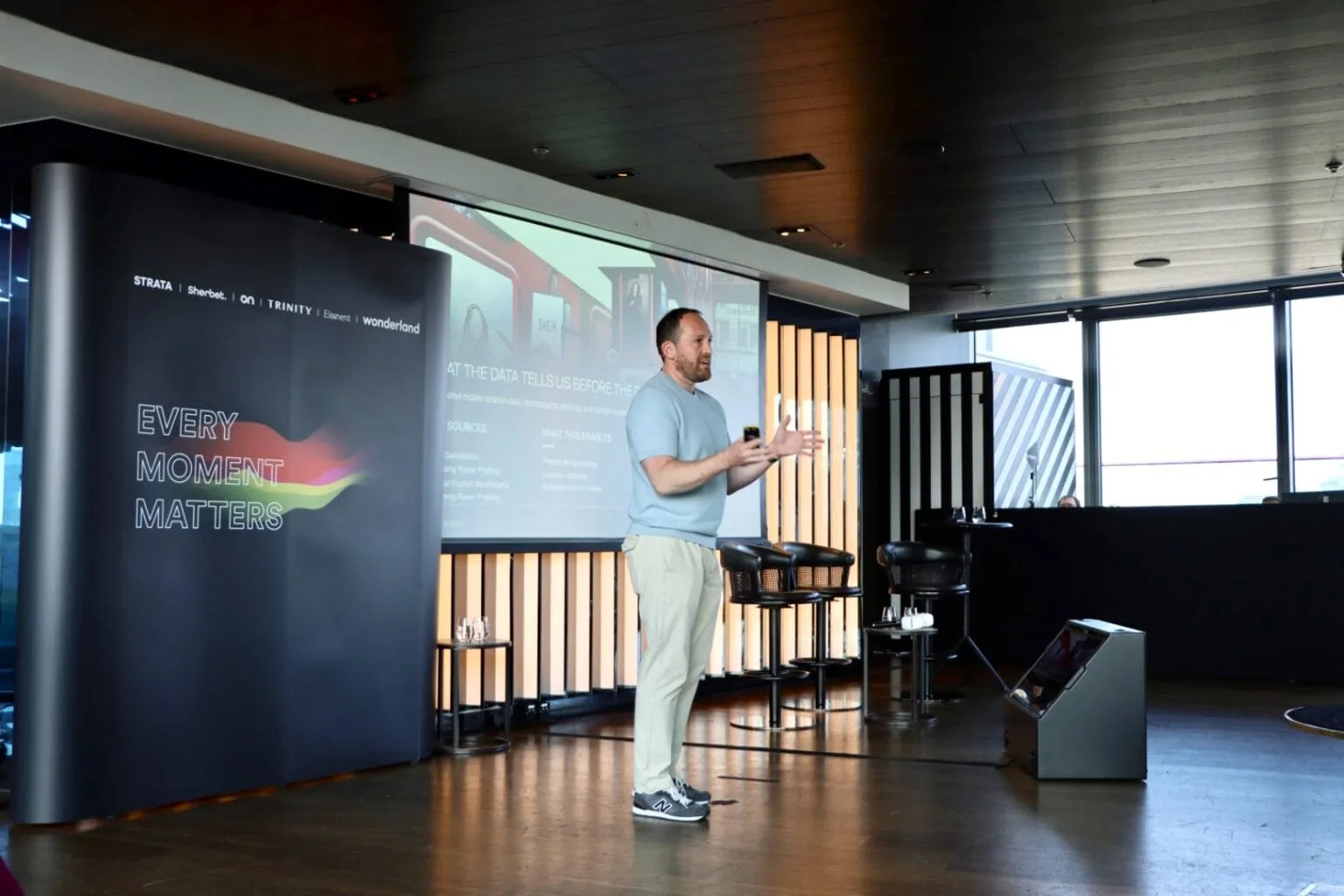
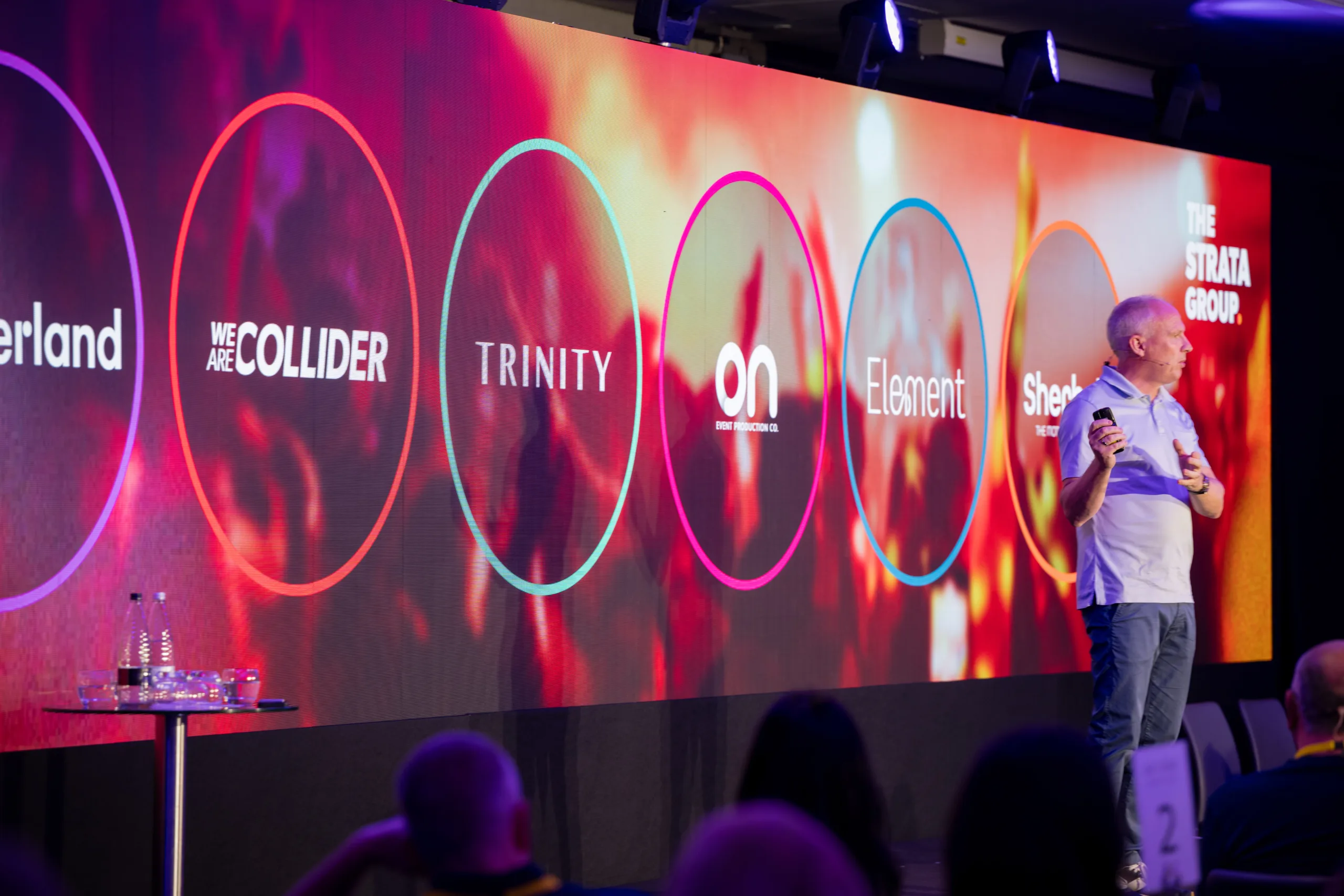
If there’s one clear takeaway from Strata’s latest Making Moments Matter live event (April 23rd, 2026), it’s that the experience economy is booming. Spotlight speaker Oliver Murray, Sales Director at Future Stores, opened by highlighting that 74% of Fortune 100 marketers are increasing their experiential budgets1, and consumers are now twice as likely2 to spend on experiences as they are on things.
With attention spans shrinking – now just 8 seconds, down from 12 in 2002 – consumers are skipping ads and actively seeking out more relevant, immersive moments. Experiences are no longer just a ‘nice to have’; they’re a critical part of the marketing mix.
Here are our key takeaways from ‘Beyond the Event: How Brands Build and Measure High-Performing Experiences’, with Giles Cattle (CGO, Strata), Oli Murray (Future Stores), and Phil Staines (CCO, Strata) making up our panel.
Takeaway One: Combating the Trust Challenge
Oli opened the session by introducing Future Stores and their ‘flagship-on-demand’ model, framing a challenge many brands face today: trust. In a crowded and often noisy selling environment, brands might be able to reach audiences, but that doesn’t mean they’re earning attention, let alone moving people from awareness to consideration and conversion.
Consumers want reassurance. They want to feel that the brands they engage with genuinely align with their values and understand their needs. This is where experiences play a vital role. They create space for meaningful, personal interaction – moments where brands can guide customers through a considered journey, rather than relying on fleeting impressions.
Well-designed experiences turn attention into engagement, and engagement into trust.
Takeaway Two: Breaking Away from The Norm
A key question discussed on stage was how brands break cycles of experiences that look and feel the same as they always have. As events move out of the shadow of media and digital – channels, particularly digital, long backed by data and measurement – they need to continue to prove their value across the funnel.
That starts with strategy. Experiences need clear intent before, during, and after the moment itself. What are you trying to change? Perception, behaviour? Without that clarity, it’s impossible to measure success meaningfully.
Event teams need to challenge the comfort of “this is how we’ve always done it” and push for creative, strategic experiences that stand out and justify their place in the marketing mix.
Takeaway Three: Before, During, and After
Measurement doesn’t start when doors open. Insight-led planning is the foundation of a high-performing experience. Audience behaviour, brand objectives, and success metrics should all shape the build from the beginning.
Future Stores spoke about designing for the full lifecycle. Before the event, brands need to be clear on who they want to attract and why. Whether it’s a product launch, brand-building, or community engagement. During the event, live data such as dwell time, footfall patterns, and social listening allow teams to adjust in real time. Why did more people gravitate towards one product over another? What’s resonating in the moment?
Afterwards, performance data should flow into an omnichannel follow-up strategy. Understanding real behaviour, not just attendance, allows brands to focus on genuine interest, measure sentiment, and prioritise quality engagement over noise.
Takeaway Four: Design for Human Behaviour
The most effective experiences are built around how people actually behave, not how we expect them or want them to.
That means understanding natural movement and decision-making, from how people enter a space to where they pause, browse, or interact. Small design choices can have a big impact on engagement; a clear takeaway following Future Stores’ decision to build two entrances in their store “as consumers want choice.”
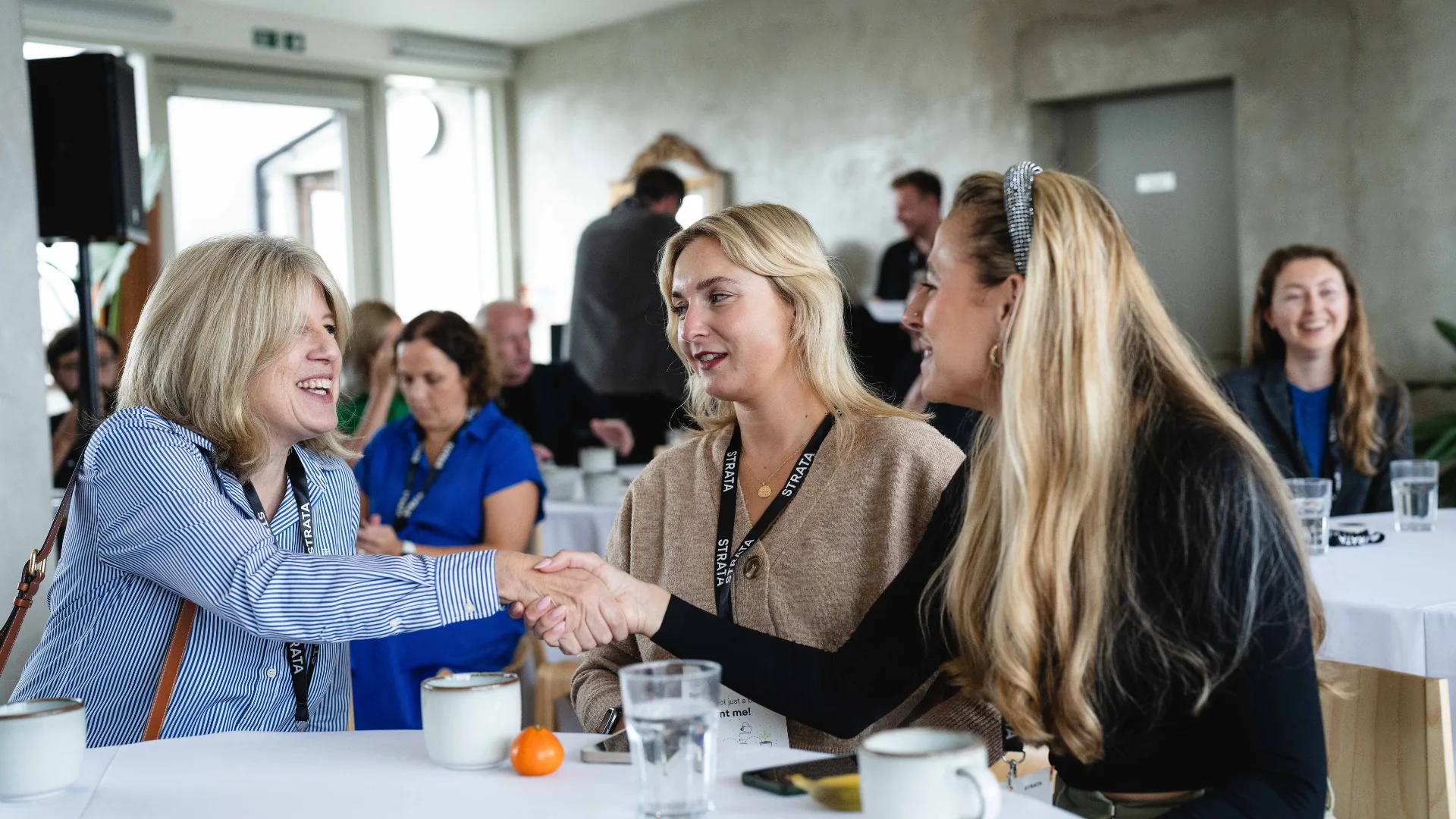
It also requires a mindset shift. Events aren’t just about communicating to an audience; they’re about creating opportunities for connection. While leadership presentations have their place, the real value often sits in conversation: peer-to-peer interaction, breakout sessions, round tables, and informal networking moments.
As Giles shared, no one wants a 90-minute presentation when a shorter, sharper session would deliver more impact. Phil echoed this with a real-world example: as one event he worked on previously grew in size, satisfaction dropped. Bigger wasn’t better; it diluted the core purpose.
The takeaway? Audit your audience, ask better questions, involve advisors early, and treat events as part of a broader, curated customer journey, not isolated moments.
Takeaway Five: A Shift in Sentiment
For years, success was reported upwards using simple metrics: attendee numbers, impressions, footfall. That’s no longer enough.
Brands need to lay the foundations for measurement now. They must set clear objectives and map data directly back to strategy, so they can demonstrate how experiences actually shift sentiment. How are people talking about the brand afterwards? What actions are they taking online? Which parts of the experience mattered most?
When these insights feed directly into CRM, brands can qualify leads properly, personalise follow-up, and build longer-term relationships. Participation turns into perception, and perception can finally be measured as performance.
In closing, Giles asked the room how many people currently measure performance post-event. Only a handful of hands went up. But that will change. Performance is fast becoming the baseline, not attendance.
And measurement isn’t just about reporting. It shapes how experiences are designed, optimised, and delivered. From content and format to flow, coffee, and conversation, these details influence human behaviour, build trust, and create experiences that truly matter.
At Strata, we design experiences with performance in mind – from strategy and audience insight through to live optimisation and post-event measurement. If you’d like to explore how measurement can work harder for your experiences, we’d love to talk.
Sources:
Explore Our Blog
Proud to deliver lasting moments for...










































Let’s have
a chat!
Every brand touchpoint is a moment that matters. A chance to strengthen your message with clarity and relevance. To make your audience feel like they're part of something extraordinary, get in touch.