

Insight
As part of A Season of Strategy, Michael Wryley-Birch (Strata president and Group managing director, growth and strategy) and Chris Pearson (Client Services Director at Element) discuss how brands can successfully seize culturally significant moments in an authentic way.
“A few years ago, my team ran an interactive window display for a household-name brand at their Oxford Street flagship store,” says Michael Wryley-Birch, Strata president and Group managing director, growth and strategy. “The display encouraged passers-by to dance, and it was equipped with cameras and sensors so that we could track audience participation; at the time, a pretty new and nifty piece of tech.”
When Wryley-Birch’s team sat down to assess the data, the results were surprising. At busy times, vanishingly few people stopped to interact. In fact, the clear and consistent peak time for the display was at 6 in the morning on a weekday.
“The reality was that no one wanted to hold up traffic and participate during peak hours. No one wanted to stop their own mission – shopping, socialising, running errands – to take part in ours,” Wryley-Birch explains. “People were willing to take part when they naturally had down time. They were waiting for the bus to take them to work.”
In 2026, that sort of technology is built into the majority of experiences designed by Strata, and it provides detailed information about our diverse and fascinating audiences.
The message was clear: attention isn’t about volume, it’s about receptivity.
The problem with ‘big moments’
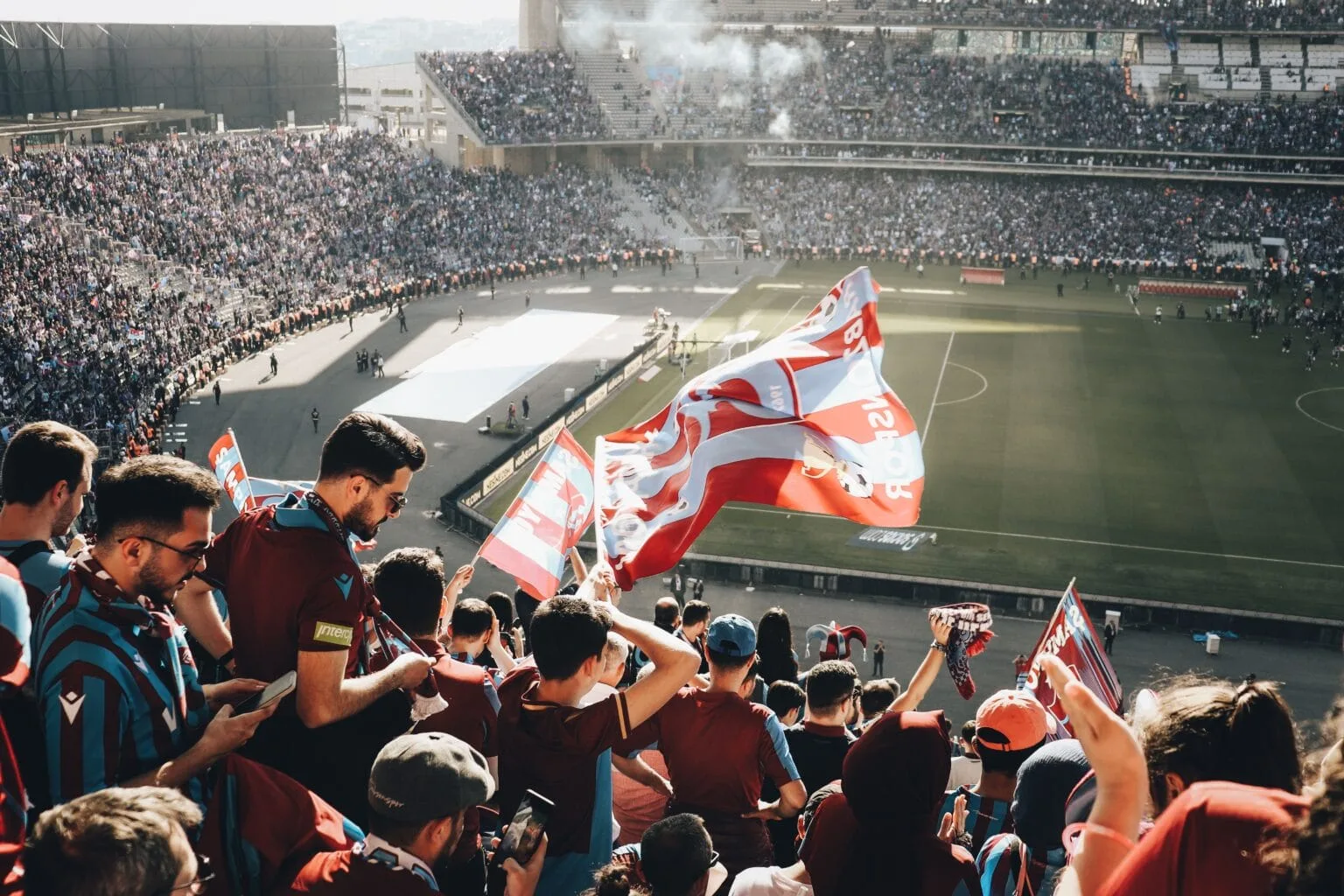
As we head into a summer absolutely packed with big sporting and cultural events – events like the FIFA World Cup, Wimbledon and various music festivals – Wryley-Birch advises brands to think twice about their instinct to show up during the loudest, most crowded moment.
“While it makes sense to link your brand to a moment of heightened awareness, it is near impossible to gain positive attention at the peak of a moment that belongs to someone else,” he explains. “Like Oxford Street on a sunny Saturday afternoon, these moments are saturated, noisy and often intrusive for people who aren’t on the bandwagon.”
Anticipation and afterglow
The solution? Find your own space: your own 6am slot waiting for the bus.
This is where a moment-based approach becomes practical. One agency that forms part of The Strata Group is Element, who work with major brands to provide prizes, incentives and rewards. Chris Pearson, Client Services Director at Element, explains the value of what he calls anticipation and afterglow.
“We work with many brands who offer tickets to these big summer events as prizes,” Pearson says, “and they’re great, but we always advise them not to miss opportunities to make good into great. When we design incentive trips, we don’t just get people to Latitude or Reading Festival. We make sure they have all the camping gear they’ll need – we combine the prize with vouchers for festival essentials like new clothes. We make sure they have travel home, as well.”
Water doesn’t feel valuable – until you’re baking in the sun and someone offers you a cold drink. Holidays are the most memorable either when they’re plagued by travel disasters or rich with bucket-list items.
“My point is that by thinking through these moments that surround the big moment, brands can gain attention in a really authentic way,” Pearson summarises. “There’s something to be said about treating a smaller group to a better experience.”
In the anticipation phase, brands can build excitement. Marketing can be around helping to prepare, plan or feel a part of the event early. In the moment, it’s about avoiding interruption; enhancing, rather than competing.
“It’s after the event that memory and meaning is really formed,” Pearson concludes. “That’s where you have the opportunity for reflection and sharing.”
Design for real human moments
At their best, events and experiences are moments of delight, and whether brands are designing professional congresses or brand activations, the same principles stand. By introducing small moments that solve real friction, events become optimised and memorable, easing the way for the core messages to be received and recalled. Some principles are universal: reduce waiting times, improve the experience of travelling to and from the event, and plan for the post-event lull. When brands chase the biggest moment, especially surrounding these large-scale events like football tournaments or festivals, they miss out on the opportunity to identify and plan for the most meaningful moments. Often, the biggest gains come from the least glamourous fixes: optimising things that others overlook.
“Success comes from understanding mindset, spotting overlooked opportunities, and showing up with relevance and authenticity,” says Wryley-Birch. “I recall watching back footage of sleepy commuters dancing in front of that Oxford Street window, and thinking that it looked like a lot of fun – it was just a moment in their day, but one I’m sure they spoke about when they got to the office later. “
“The brands we remember aren’t usually the ones that shout the loudest; they’re the ones that met us where we were, at exactly the right moment.”
Ready to go further? Follow Strata on LinkedIn for A Season of Strategy, exploring human behaviour, strategic event design and how to build a measurement strategy that goes well beyond ROI.
Want to get in touch? Drop us a line at [email protected]
Explore Our Blog

Proud to deliver lasting moments for...










































Let’s have
a chat!
Every brand touchpoint is a moment that matters. A chance to strengthen your message with clarity and relevance. To make your audience feel like they're part of something extraordinary, get in touch.