

Insight
Phil Staines (Group Chief Operating Officer) sits down with Laura Whittington (Head of Data) to discuss the value of different metrics when building out your events strategy
If there’s one metric I see brands over-relying on, it’s Net Promoter Scores (NPS). They measure how likely customers are to recommend a brand, and traditionally they’ve been a useful benchmark for customer loyalty, but increasingly I’m seeing them as painting an incomplete picture. Organisations are able to achieve acceptable NPS while their underlying satisfaction trends are declining. This summer, as we look at large-scale events like the World Cup and music festivals, I challenge brands to think beyond the obvious. Too many organisations are looking at the same metric, giving it excessive weight, just because everyone else is looking at it.
What is your brand’s podium moment?
Every business needs its own definition of success, and different organisations need different measures. I challenge clients within The Strata Group to take a deep dive and consider relationships, progression through a sales cycle, repeat engagement and advocacy, to name just a few.
Brands need to find the metrics that matter.
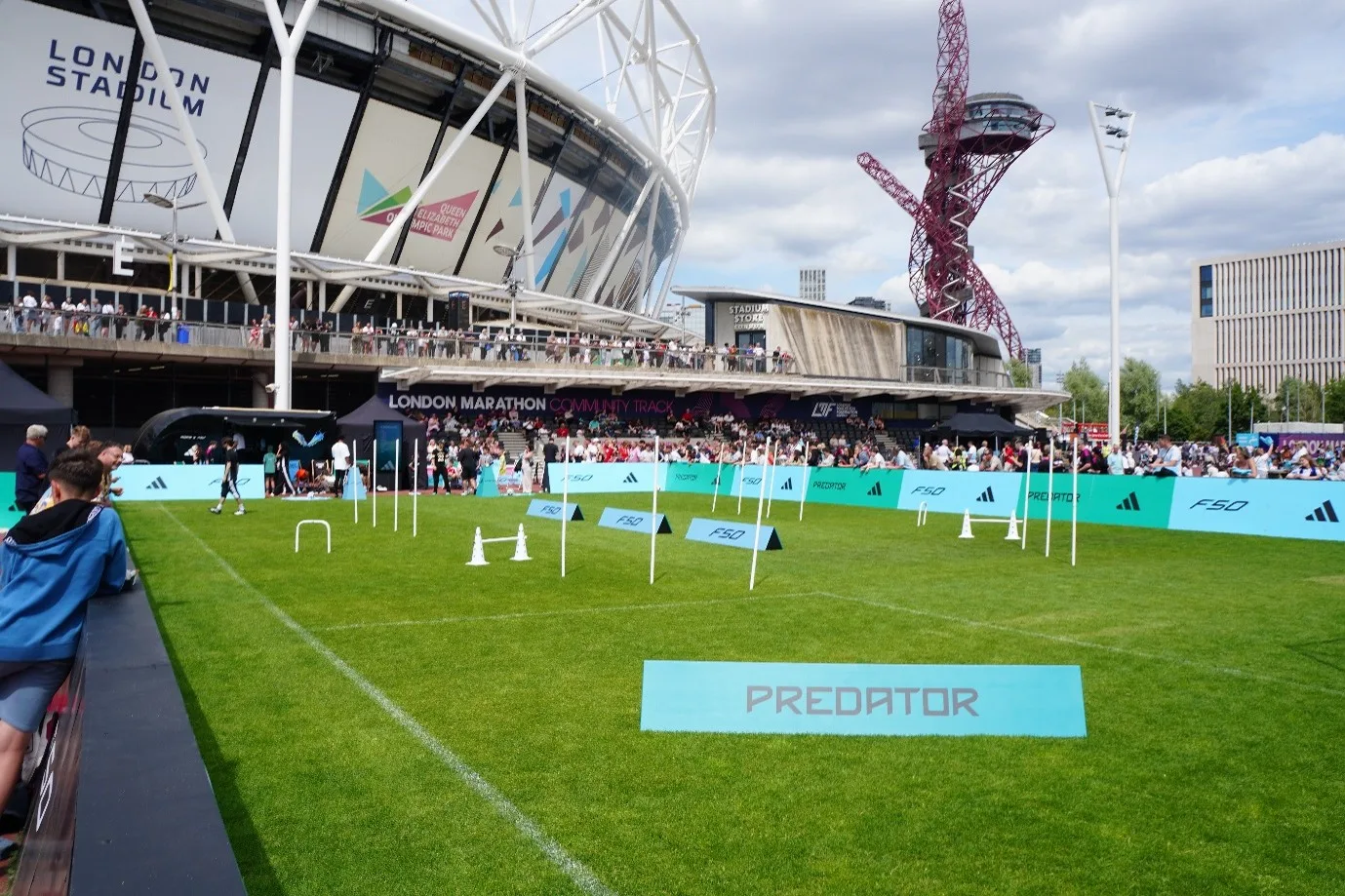
At big summer events, client entertainment is big business. Sponsors get tickets for clients, but success isn’t in attendance alone: it’s in whether those relationships progress afterwards. I’ve known busy clients to forget who it was who sent them to Wimbledon, once they’re on their second Pimms! Is it enough of a return on your investment to get people in a room, or is there another metric that you want to move the needle on?
The hidden value in event data
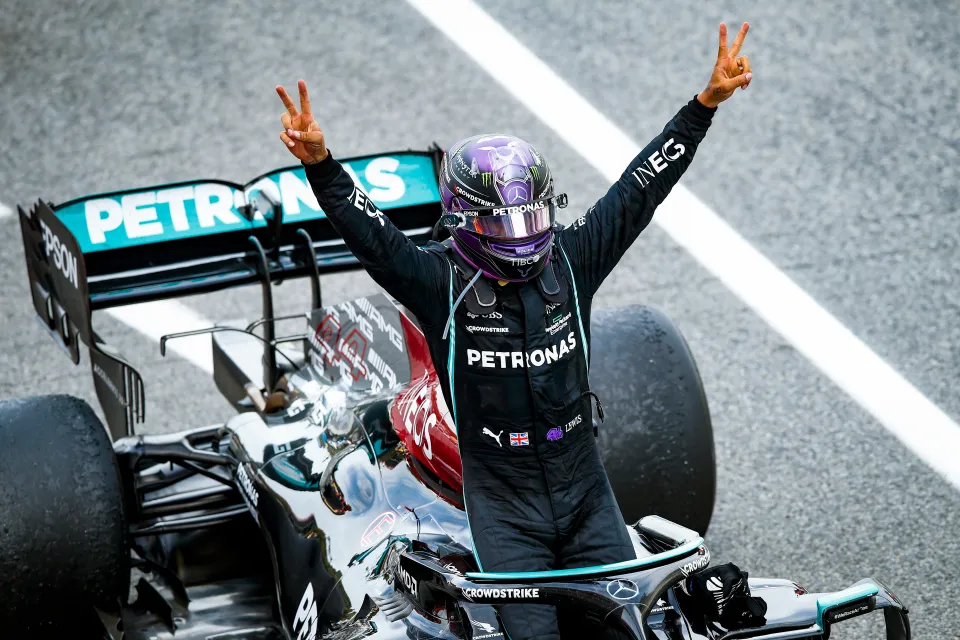
Huge investments are made in hospitality assets at major events. F1, Wimbledon, rugby and festival experiences often involve significant client entertainment budgets, but the right tickets need to go to the right people. In my experience, tickets wind up in the hands of friends-of-friends, given to clients who never use them or handed out as freebies, ignoring the value they hold to the brand.
When an investment like that is made, it’s critical to track who attends, who engages and what business outcomes follow. “Audience understfanding improves dramatically when ticketing data is taken in context,” explains Laura Whittington, Head of Data at Strata. “Combine it with wider behavioural and context information, and it becomes significantly more powerful.”
Activation matters as much as access
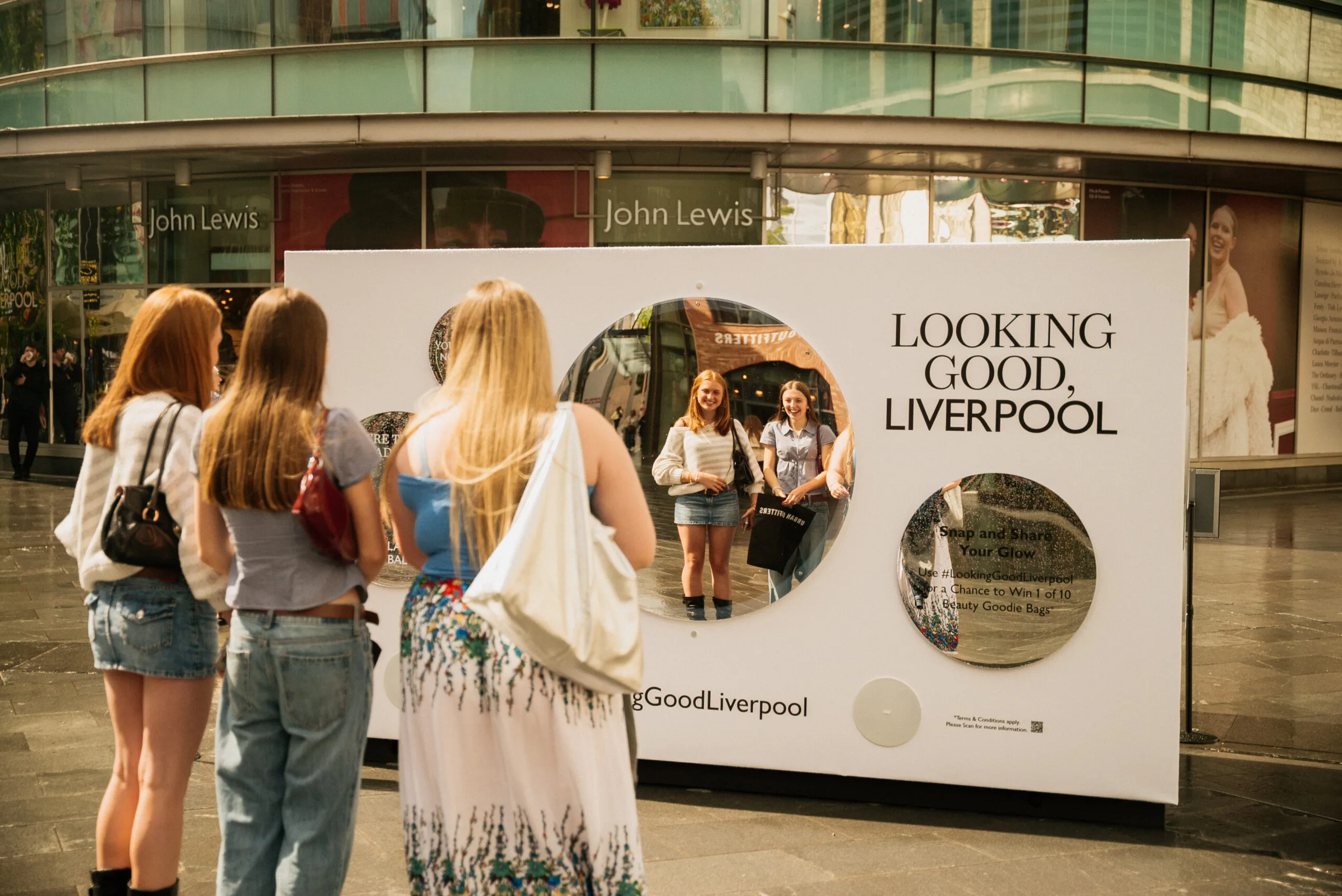
Simply giving tickets away is not a strategy. Strong brands create purposeful activations around experiences. For example, on-site engagement and experiential moments, audience participation initiatives and crafted, memorable interactions that extend beyond the moment itself.
This same energy – tickets invested in, then squandered – is more common than you’d think. It’s easy for brands to pursue vanity activity rather than brand equity. An event that might make for a great story on paper or in the company brochure may be a poor fit with the target audience, and have little measurable business impact. There is no point investing heavily in being visible at Wimbledon when your audience are disinterested in tennis, no matter how nicely the white-and-green fits into your website.
The future of measurement: behaviour over sentiment
When it comes to measurement, technology is on your side as you build out a robust and informative brand strategy around your events. Brand sentiment surveys are useful tools, as are YouGov-style market tracking tools, but there are many ways to go one step beyond.
In physical stores, real-world feedback mechanisms like a button at the entrance and exit allow the audience to communicate with low cognitive investment. There are many cool emerging technologies that allow data to be collected in a way we’ve never seen before, too: wearables that track changes in body temperature and pulse as a proxy for excitement, programmes that track behavioural and emotional responses from video footage, and real-time engagement analysis tools that allow event organisers to tweak production during the event.
Measurement has never been more nuanced and predictive, and a little investment goes a long way. The question I now put to brands is no longer are you measuring, it’s this: are you measuring the things that actually matter?
Laura gives the technological perspective: “when you overlay different data sources, that’s when you begin to understand cause and effect,” she states. “It’s no longer enough to just report on outcomes, when you can go so much deeper.”
Strategy is ultimately about making informed choices. This Season of Strategy, I challenge you to consider your own decisions – because when your measurement framework improves, the better those decisions can become.
Phil Staines is Chief Operating Officer for The Strata Group. A leader in measurement and data, Phil leads strategic conversations, challenges assumptions and works consultatively to understand the bigger picture. He defines what is trying to be achieved and offers up solutions that optimise business or client performance.

Explore Our Blog




Proud to deliver lasting moments for...










































Let’s have
a chat!
Every brand touchpoint is a moment that matters. A chance to strengthen your message with clarity and relevance. To make your audience feel like they're part of something extraordinary, get in touch.