

Insight
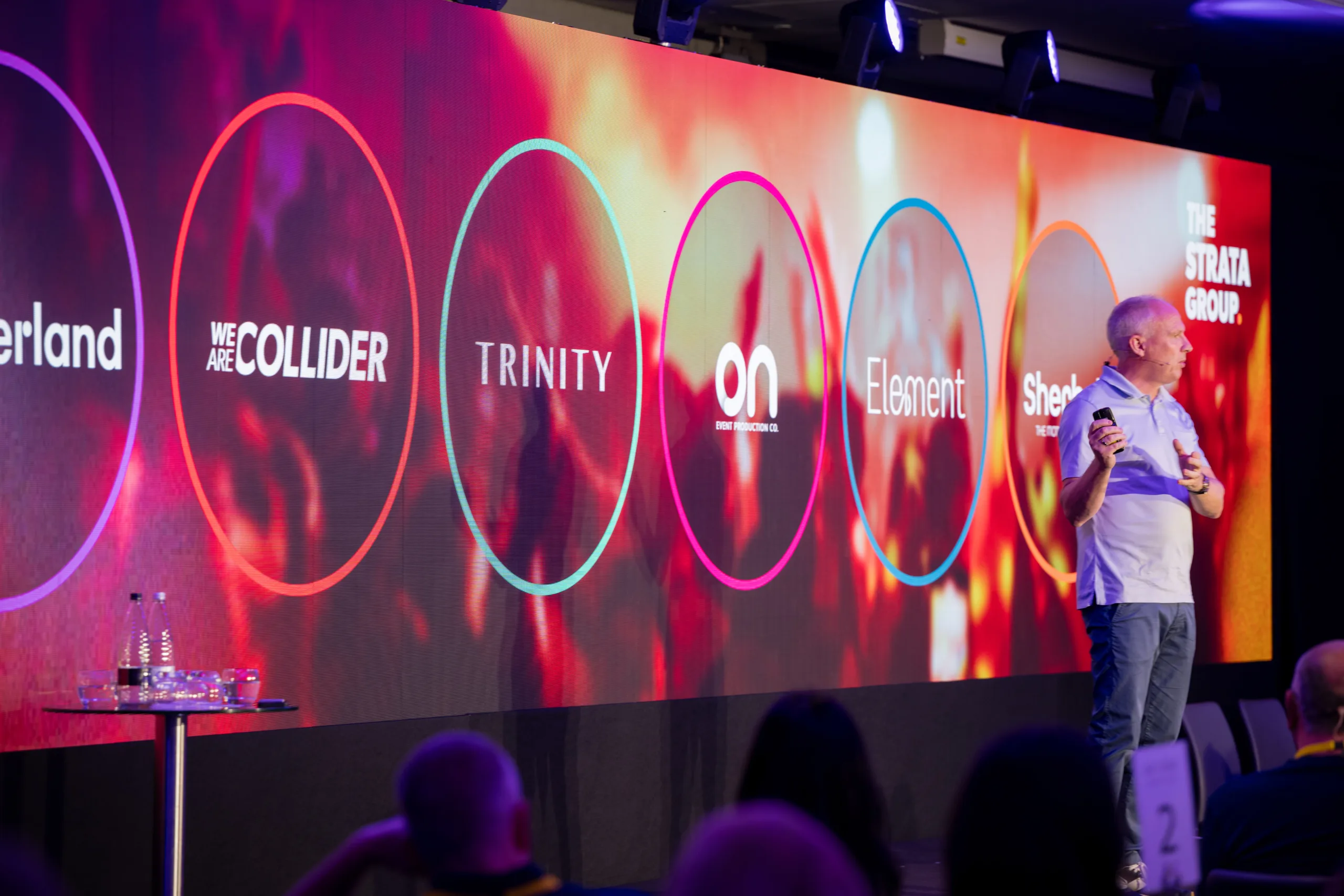
What makes a good event great isn’t your ROI: it’s what your audience got for their time investment. Giles Cattle (Chief Growth Officer, The Strata Group) shares his insights from leading discussions at the ICEN Conference & Awards in New York & London
For decades the events industry has been obsessed with providing Return on Investment (ROI). How many leads were generated? How much revenue was influenced? What sponsorship value was delivered? These are all valid questions, but they share one significant limitation: they measure value through the organiser’s lens. What if, instead of focusing on ROI, we prioritised the value received by the audience as our indicator of success?
As work becomes more demanding, schedules stay crowded and AI makes information available instantly, time takes on a new weight as a resource. Audiences demand more in return for their investment of time, and as event organisers, we should be tracking that return. Speaking at the recent ICEN Conference & Awards in both London and New York, I challenged my audience to consider a new metric: Return on Time, or ROT.
To measure ROT, we need to understand how people actually judge experiences. This is why we teamed up with Lea Karam at Mindscope, to develop The Experience Lab. Our work together dives into how human behavioural psychology can inform event design and allows us to deliver real insights to our clients, based on how their audiences feel and behave.
People remember relationships & experiences, not information
The greatest ROT often comes from what people remember, and that is constructed partly from who they remember experiencing it with.
Our memories are not formed equally [1]. Instead, recollection of experiences is disproportionately shaped by emotional and psychological moments. Your audience will remember not the volume of content delivered but rather the memorable value they were presented, based on their thoughts and feelings during the event.
This is important to the concept of ROT because it illustrates how time spent and memories gained don’t necessarily overlap; everyone remembers the highlights of the holiday, while few remember the details of the plane ride.
Experience design
It’s been interesting attending these events with my work with the Experience Lab informing my own experiences as an audience member. What I see, and what I’m hearing from my colleagues is that when you’re designing for ROT, the audience experience has to take priority over the content itself. Luckily, there are some behavioural psychology tricks that are easy to implement and produce quick results when it comes to making presentations more memorable and feel more valuable to participants.
Creating peaks and endings
People remember the emotional peak of an event and how it ended with better clarity than all the surrounding information. For event designers, this means that there are two main opportunities to drive home a message. The first is at the peak, which can be crafted into your presentation; your message, tied to your ‘best bit’ and your peak of feeling and energy. The second is at the conclusion. Just stating you’re closing re-focuses your audience, and you can give them the key take-away in a clear, memorable format.
Surprise and delight
Unexpected positive experiences create stronger emotional responses and are more likely to be remembered [2]. I’ve seen surprise giveaways, impromptu rock-paper-scissors tournaments and even just short, funny videos in presentations all achieve this with aplomb.
Participation
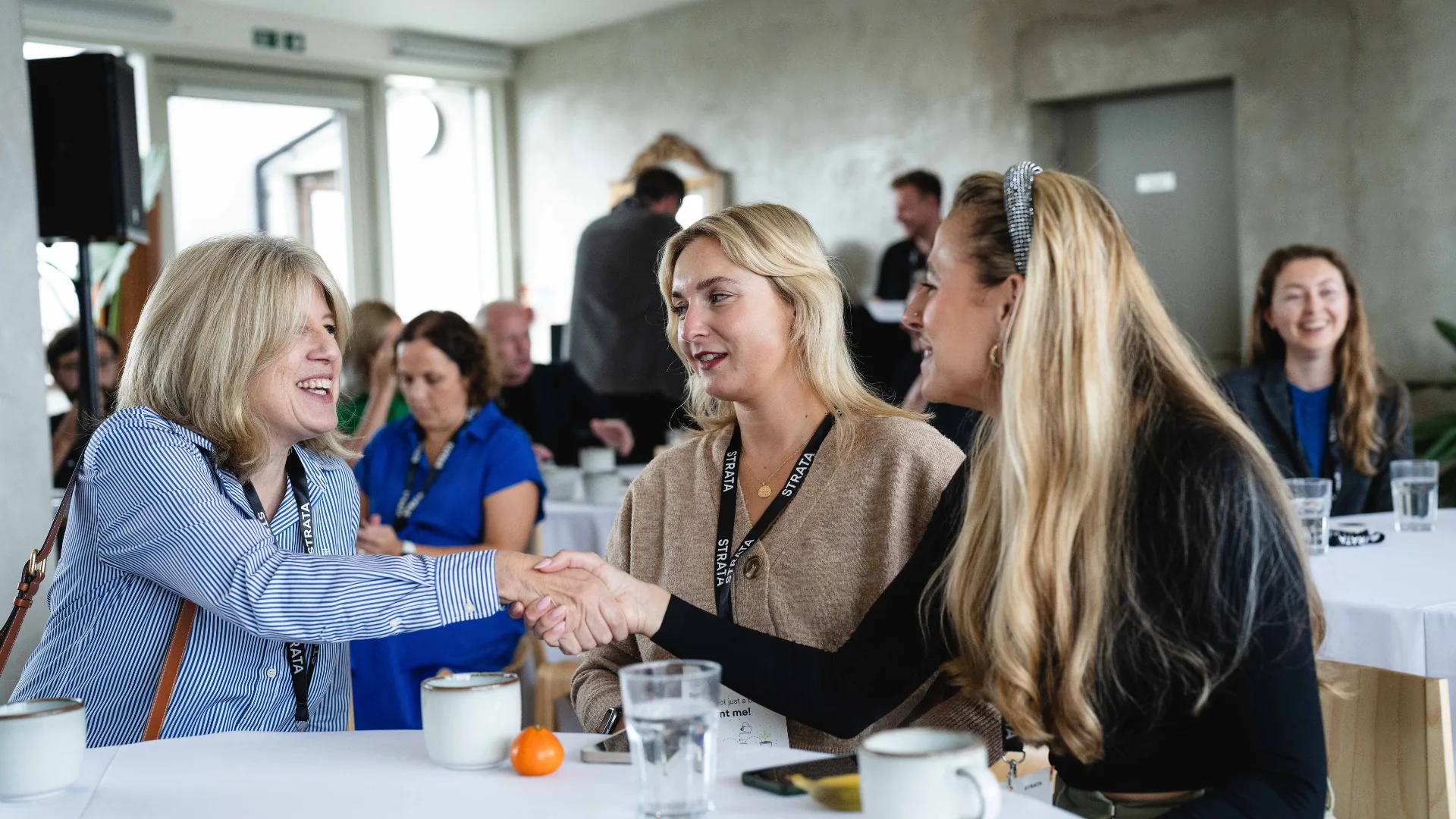
People place greater value on experiences they actively shape or contribute to; it’s often called The IKEA Effect [3]. From an event design perspective, we see that participants gain greater ROT from conversations rather than presentations, workshops over lectures and co-creation rather than passive observation.
Attendees’ time can be better used by including opportunities for active learning, rather than passive consumption. I’ve seen great results from something as simple as allowing time naturally during a talk for people to talk to their neighbour and debate key learnings.
Measuring ROT
Of course, for ROT to become a meaningful metric, we need a way to measure it. On top of standard net promoter scores (NPS), consider asking your audience how they personally ranked the value of experience. Focus on an individual session or moment of the agenda for the clearest response.
By asking a question like this, you demonstrate not only that you value their time investment, but that you’re listening.
Final Thoughts
For years, event success has been measured through the lens of ROI. Yet what I’m seeing is that attendees make a different calculation. They just want to know whether the experience justified the time they invested to be there.
The future of events is not simply proving ROI for organisers. It is demonstrating Return on Time for audiences. In a world where information is abundant and time is scarce, the most successful events will be those that create memorable experiences, meaningful connections and moments worth investing time in.
So next time you are planning an event for a client, I challenge you to think about more than just the ROI. It’s an opportunity, disguised as a valuable metric: a chance to create more lasting memories, stronger relationships and greater impact long after the event has ended.
References
- Putting behavioral psychology to work final.pdf, McKinsley&Co. Last accessed 06/08/26
- The Unexplored Emotion of Surprise, Psychology Today. Last accessed 06/08/26
- The “Ikea Effect”: When Labor Leads to Love, Journal of Consumer Psychology 22(3), July 2012. Last Accessed 06/08/26
Giles Cattle is Chief Growth Officer at Strata. A Creative Strategist, he uses insights to fuel the creative design of experiences and communications to engage, inspire and persuade audiences.
He brings brands and people closer together, and using every channel, internal or external, to achieve that.
He has extensive experience working with global clients spanning multiple sectors, targeting multiple audiences through multiple channels.

Explore Our Blog

Proud to deliver lasting moments for...








































Let’s have
a chat!
Every brand touchpoint is a moment that matters. A chance to strengthen your message with clarity and relevance. To make your audience feel like they're part of something extraordinary, get in touch.