

Insight
News
Charlotte Bunyan, Head of Strategy & Innovation at We Are Collider, dives into why participation is the new competitive advantage for brands, and why a little play can go a long way towards achieving ROI.
In recent years, audiences have shifted away from passive consumption in favour of active participation. With content ubiquitous, just seeing something feels ordinary. People want to co-create, not spectate, and in doing so feel like part of a community.1
In real terms, this trend is driving a shift in what makes an event memorable. This is where elements of ‘play’ are such a valuable addition to an experience. Playful moments feel effortless, not work or obligation, because of our innate sense of curiosity, discovery, competition, and achievement. Done well, gamification can increase conversion by around 50% and boost engagement by 150%2
We know that competition in particular boosts memory, sentiment and advocacy. Gamification has become a buzzword for that reason, but there is a way to bring in elements of play without it seeming like you’re just jumping on the bandwagon. Brands that focus on the core of gamification – on the playfulness – and incorporate it in a way that it authentic to their identity are most likely to see real results.
Start small: find a glimmer
Adults are increasingly seeking tangible, playful experiences, from LEGO’s adult product ranges to the growing popularity of board game cafes. We also know that most grown-ups are keen to accept ‘glimmers’3 when they appear. If you’re unfamiliar, glimmers are the opposite of triggers, which are linked to the body’s stress response; glimmers instead stimulate feelings of joy, calm and safety. These small moments of happiness and surprise are opportunities to coax people to open up, forge connections and relax, and the ability to pause and recognize them when they appear is linked to lower stress and a more positive mental outlook.3
Events don’t need to jump into play or gamification with both feet to invite glimmers into their experience design. Instead, simple mechanics often outperform complex ones in practice. Think quizzes, spin-to-win setups, scavenger hunts and simple rewards mechanics.
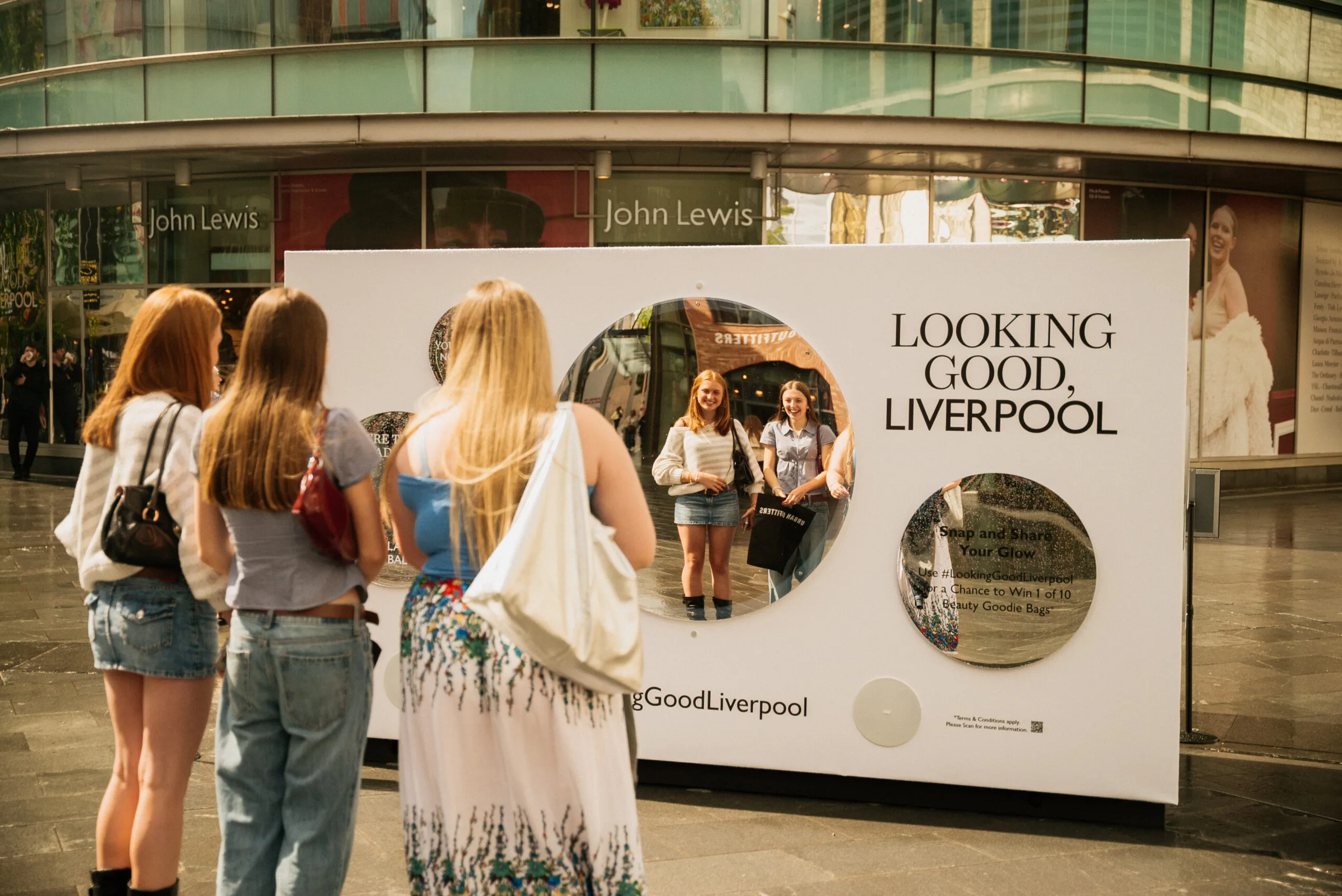
At John Lewis Liverpool, our interactive mirror was part of an activation to promote their beauty offering; it chatted to passers-by in a thick Scouse accent, making people laugh and stop what they were doing to accept its cheerful compliments.4
These moments aren’t the headline of people’s day, but they stick with them long after they leave. The question shouldn’t be ‘how can we gamify this experience?’ but instead simply: what would make this more fun? I’d argue that nearly every event could be improved with a little more fun. Play gives everyone an equal opportunity to warm up, loosen up, and gives permission for new relationships to form organically.
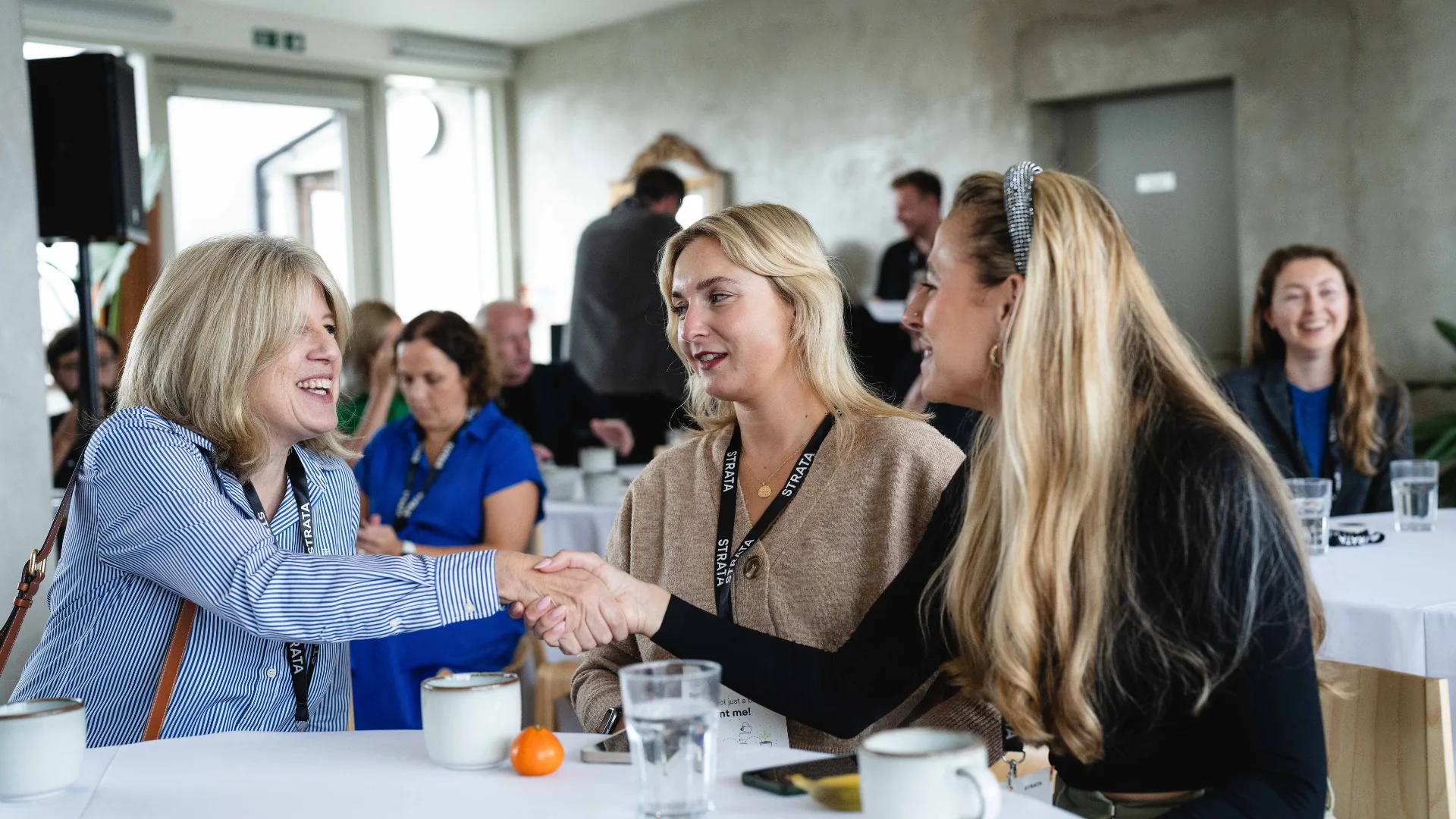
The most effective networking mechanics are often simple, and playful: a shared challenge or conversation starter that gives strangers a reason to engage. We’ve seen great results from quizzes, escape room-style tasks or even ‘human experience bingo’, where participants ask each other who speaks the most languages or has eaten the weirdest food. They don’t need to be flashy to be powerful – tap into your audience’s innate sense of curiosity and simulate their competitive instincts, and connections will follow.
Designing play with purpose
So, you’re on board with building some playful glimmers into your event. I encourage you to start with the objective, not the mechanic. Start instead with the behaviour, and business outcome you’re trying to drive, then build gamified elements around interactions that contribute to that goal.
Mechanics should be intuitive and accessible, in every sense. Ease of entry should be the priority, with the option for deeper engagement if appropriate. The right level of friction is a fine line to walk, but aiming for low complication is a good starting point.
Play and gamification should feel authentic to your brand, not forced. Think about your brand values and image before committing to a big giveaway or a virtual reality experience; there will be a way to make it feel like you, and be something you can feel proud of long past the moment itself.
Measuring the impact of playful elements
Measurement is a key element to bake in early. Some of the most valuable indicators to track include:
- Dwell time and depth of engagement
- Content interaction and participation rates
- Lead generation and conversion
- Brand perception and sentiment shifts
- Social advocacy, shares and recommendation intent
- Product interest and behavioural signals
- Return engagement and ongoing community participation
The real value comes from connecting these signals, rather than viewing them in isolation. While participation figures can tell you what happened, combining behavioural data, engagement patterns and audience feedback provides a much clearer understanding of why it happened and what impact it had on business objectives.
This is where measurement moves beyond reporting and becomes a tool for optimisation. It can help you to benchmark performance, identify what drives engagement and make more informed decisions about where your investment should go in future.
Community often delivers greater long-term value than visibility alone. Visibility creates awareness in the moment; communities create ongoing engagement, advocacy and repeat participation. The result is not just a larger audience, but a more valuable and connected one.
Final thoughts
Gamification may be today’s buzzword, but the most effective experiences are built around participation, discovery and connection. From where I stand, the future of experiential marketing belongs to brands that invite audiences into their story and give them the chance to become the main character.
References:
- Diverse and discerning: understanding the audience of live immersive experiences – University of Birmingham
- We Are Collider – Takeaways page
- What Are Glimmers? | Newport Institute Resources
- John Lewis: Looking Good Liverpool – We Are Collider
Charlotte Bunyan is Head of Strategy & Innovation at We Are Collider. She embeds immersive media, AI, gaming, and virtual world storytelling into the agency’s core, as well as shaping IP, forging strategic partnerships, and driving thought leadership at global stages like SXSW. She is focused on unlocking new commercial value, accelerating R&D, and positioning We Are Collider as a bold, future-facing creative force for innovation-led brands, all underpinned by Behavioural Science insights and proprietary AI Tools.

Explore Our Blog


Proud to deliver lasting moments for...










































Let’s have
a chat!
Every brand touchpoint is a moment that matters. A chance to strengthen your message with clarity and relevance. To make your audience feel like they're part of something extraordinary, get in touch.